Spain has overhauled its flexible retirement system. Pensioners can now work part-time or as self-employed while receiving a portion of their pension. The new rules expand eligibility and introduce financial incentives.
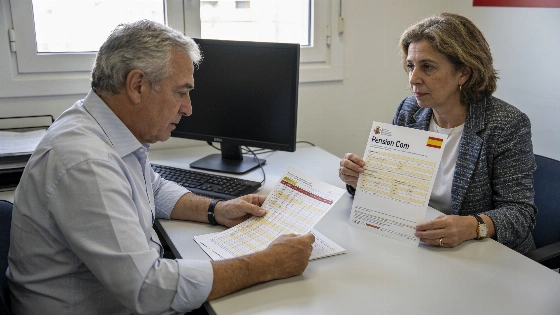
Spain has introduced sweeping changes to its flexible retirement scheme, aiming to make it more attractive for pensioners to combine work and pension income. The new regulation, published in the Boletín Oficial del Estado and effective from August 28, replaces the previous framework and broadens both the scope and benefits for retirees who wish to remain active in the workforce.
Under the updated rules, pensioners can now work part-time with a contract ranging from 33% to 80% of a comparable full-time position. Previously, the permitted range was narrower, between 25% and 75%. This adjustment allows for greater flexibility, enabling companies to hire retirees for more substantial roles and excluding minimal, less practical work arrangements.
One of the most significant changes is the inclusion of self-employment. For the first time, certain pensioners are allowed to receive part of their pension while working as autónomos. However, eligibility for this option requires that the individual has not been registered as self-employed in the three years prior to retirement. In these cases, the pensioner will receive 25% of their pension while working independently, a new provision not covered by the previous law.
The reform also introduces economic incentives for those who start part-time work at least six months after beginning to receive their pension. The pension amount is reduced in proportion to the working hours, but now, additional bonuses are applied: a 15% increase for those working between 33% and 55% of a full-time schedule, and a 25% increase for those working between 55% and 80%. These incentives are calculated on the portion of the pension being received during flexible retirement, aiming to make the option more financially appealing and address previous disincentives.
Another notable update is that, in general, contributions made during flexible retirement will no longer lead to future pension increases. Once the part-time work ends, the retiree resumes receiving their full pension, except in specific cases outlined by the law. The reform also modifies incentives for those who voluntarily delay retirement, making calculations more adaptable to varied career paths.
The Ministry of Social Security has emphasized that participation in flexible retirement remains voluntary. Existing flexible retirement arrangements established before the new law will continue to be governed by the previous regulations. The government’s stated goal is to create a more modern and attractive framework that encourages experienced professionals to remain engaged in the labor market if they choose.
Flexible retirement is distinct from other forms such as active or partial retirement, which have different requirements and benefits. The new regulation is designed to address the previous lack of uptake and to better align with the realities of Spain’s aging workforce. According to official data, Spain faces one of the fastest-aging populations in Europe, making labor market participation among older adults a growing policy focus. The reform is expected to help bridge the transition between full-time employment and complete retirement, offering pensioners more control over their work-life balance and financial planning.