Ford’s top executive Jim Farley is open to strategic alliances with Chinese carmakers where it boosts efficiency. As Europe cedes ground to China, Ford eyes selective cooperation to stay competitive in electric vehicles and global markets.
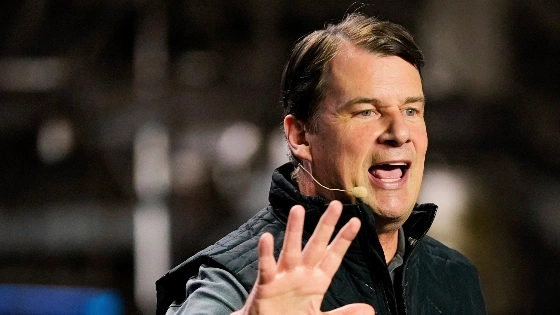
Ford is not standing still. CEO Jim Farley has made it plain: the company will work with Chinese automakers if it means getting ahead on efficiency and innovation. The global auto order is shifting fast. China’s rise, especially in electric vehicles, is changing the game.
Farley did not mince words. “Vamos a asociarnos con los chinos allí donde no tengamos propiedad intelectual y donde podamos ser más eficientes en términos de capital, en lugares como Europa o el Sudeste asiático.” He is not talking about giving up. This is Ford making a calculated move to stay in the race where Chinese competition is already rewriting the rules.
According to Reuters and CNBC, Ford is already collaborating with China’s CATL on battery technologies, demonstrating a real-world application of its 'compete and cooperate' strategy.
Europe has lost ground. Farley says the continent’s slow reaction let Chinese brands take over key segments. The United States still has a window to act. Farley wants Washington to move carefully, not with blanket bans or rushed protectionism. “Creo que es importante que nos tomemos nuestro tiempo y actuemos con consideración,” he said. Lawmakers are still debating tariffs and market access for Chinese vehicles. Farley wants a measured approach.
Ford is not just talking. The company has a joint venture with Geely to build electric vehicles at its Valencia plant. Production starts in 2027. The first models will roll out in 2028. This deal shows Ford is ready to mix competition with cooperation. The company will use Chinese strengths where it makes sense. IBTimes reports Ford will hold 66% of the venture, Geely 34%. The project targets European customers and will include two Geely electric models.
Farley’s logic is direct. In places where Ford lacks its own technology or needs to use capital wisely, working with Chinese partners is not just possible—it is necessary. Ford’s plan is twofold: compete head-on, but also form alliances when it cuts costs or speeds up new products. The market is fierce. Ford wants every edge it can get.
Farley has publicly defended Ford’s partnerships with Chinese firms, stating that 'partnering and competing' are not mutually exclusive. As reported by Detroit Free Press and other outlets, Ford uses such alliances to reduce costs and speed up EV launches, especially in markets where it lacks internal IP or faces high investment barriers.
American carmakers are facing facts. Chinese rivals are not going away. Ford and others admit tariffs alone will not protect them. Recent statements show billions in expected losses tied to trade barriers. Some see targeted partnerships as the only way to keep margins and scale up electric vehicle production.
The fight in Washington is heating up. Lawmakers are looking at higher tariffs and new limits on Chinese-made vehicles. They worry about economic and tech dependence. Ford is not waiting for answers. The company is investing in its own electric platforms, including a new base for electric pickup trucks. The goal is to compete with the flood of low-cost Chinese models.
Regulations are tough. The US keeps high tariffs on Chinese electric vehicles and parts. Tax breaks are limited for cars with Chinese supply chains. These rules make things harder. Still, Ford keeps looking for practical ways forward.
The industry is changing fast. Ford’s willingness to work with Chinese firms where it makes sense is a break from old rivalries. The company is focused on survival, not slogans. Ford’s approach is different from the all-or-nothing talk in politics.
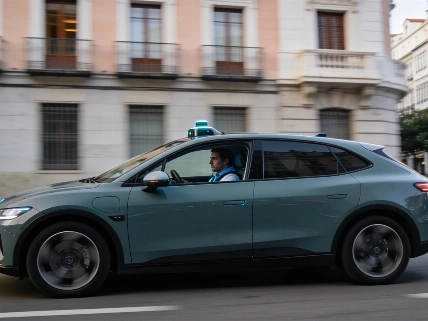
Other companies are moving too. Uber’s push for driverless taxis in Madrid, as reported earlier, shows how fast the auto world is shifting. Technology and global competition are redrawing the map.
Ford’s position is clear. The future of cars will not be built on isolation. It will be a mix of rivalry and teamwork. Farley’s plan—protect what matters, but stay open to joint ventures—points to a practical way forward. For carmakers in Europe and America, the message is blunt. Adapt or risk being left behind as China’s influence grows.