A 60-year-old electrician was dismissed from Ford's Kentucky plant after being accused of not paying for a €1.71 cookie. Bank records later proved his innocence, forcing Ford to offer back pay and his job back. The worker declined and sought legal advice.
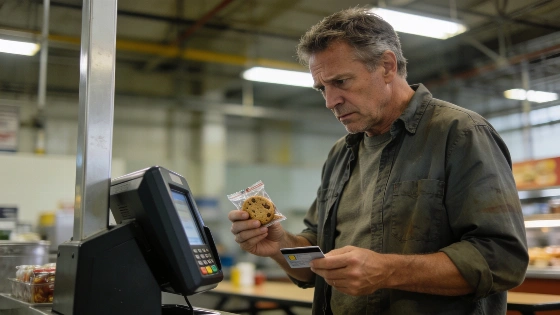
Kurt Kromm, a 60-year-old electrician with more than a decade at Ford's Kentucky Truck Plant, was abruptly dismissed after being accused of taking a €1.71 cookie without paying. The incident began during a night shift break, when Kromm scanned a package of cookies at a self-checkout kiosk in the factory canteen. His first attempt to pay with a debit card triggered a red error message on the terminal. He then used a different terminal, believing the transaction had gone through.
A week later, supervisors summoned Kromm and accused him of leaving with the cookies unpaid. Despite his 11 years of service, Ford terminated his employment, convinced the payment had not been processed. Only after returning home did Kromm check his bank statement and find a charge matching the date and amount of the purchase, confirming he had paid for the item.
Armed with this evidence, Kromm challenged the dismissal. Ford reviewed the documentation and reversed its decision, offering to reinstate him and pay $33,000 (€29,000) in back wages for the period he was out of work. However, Kromm declined the offer, having already secured a better-paying job closer to home. He has since hired a lawyer to consider further legal action regarding the accusation and the way he was treated.
Payment Error Sparks Dismissal
The case highlights the risks of relying on self-checkout technology and the consequences of acting on suspicion rather than proof. Ford's initial decision was based on the assumption that the transaction had failed, rather than waiting for confirmation or allowing the employee to present evidence. Only after Kromm produced his bank statement did the company acknowledge the mistake.
Back Pay, Not Compensation
The €29,000 paid to Kromm was not a court-ordered compensation, but rather back pay for lost wages during his suspension. According to the information published by Talent24h, the sum was intended to cover the salary he would have earned had he not been dismissed. There is no indication of a judicial ruling or additional damages at this stage.
Worker Declines Return
Kromm's decision not to return to Ford reflects the personal and professional impact of the accusation. After being accused of theft over a minor item and losing his job, he chose to move on rather than return to the same environment. His lawyer is now reviewing possible claims related to the handling of the case and the reputational damage caused.
Context and Source
The story was originally reported by journalist Phoebe Wall Howard in Shifting Gears, based on interviews with Kromm and a review of relevant documents. Ford has not issued a public statement on its corporate website regarding the incident. The Kentucky Truck Plant, located in Louisville, is one of Ford's major facilities, producing models such as the Ford Super Duty, Expedition, and Lincoln Navigator.
This case underlines the importance of clear procedures and evidence in workplace disputes, especially when technology errors can lead to serious consequences for employees. While Ford ultimately acknowledged its mistake, the episode serves as a reminder of the potential fallout from acting on incomplete information.