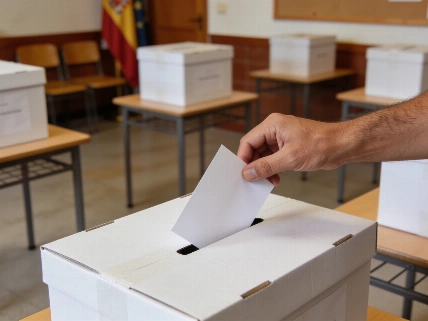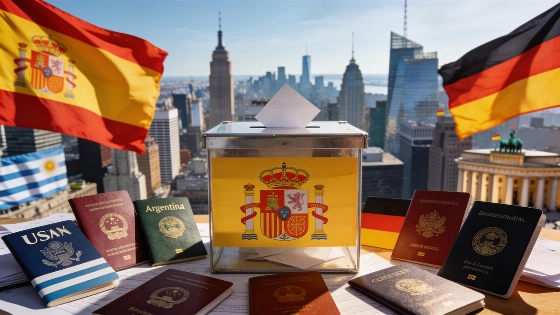
The number of Spanish voters living abroad has tripled in 20 years. Their ballots now draw scrutiny after a major citizenship expansion. Political parties question the influence of these votes on national results.
The rapid growth in the number of Spanish citizens living abroad and eligible to vote has reignited debate over their role in national elections. In recent years, the non-resident electoral roll has expanded sharply, with the latest figures showing it has tripled over the past two decades. Despite this surge, votes cast from abroad still represent only about 1% of the total ballots in Spain.
The issue has become especially contentious following the approval of the so-called Ley de Nietos, which has granted Spanish nationality to 545,000 descendants of Spaniards. This legislative move has drawn criticism from opposition leaders. Alberto Núñez Feijóo described the measure as an "electoral engineering maneuver," while Vox has formally requested the suspension of voting rights for all Spaniards residing outside the country. Both parties argue that the recent changes could distort the electoral landscape, although official data indicates that the impact remains limited in terms of overall vote share.
Traditionally, Spaniards abroad have leaned more towards left-wing parties. However, in the 2023 elections, their voting patterns closely mirrored those of residents in Spain, suggesting a shift or at least a narrowing of previous differences. The debate over their influence persists, especially as the number of eligible voters continues to rise due to recent nationality grants.
Concerns about the pace and processing of new citizenship applications have also surfaced. Many applicants under the Ley de Nietos face significant delays, with consular backlogs meaning that most will not be able to participate in elections for several years. This situation is explored in detail in a recent report on how slow administrative procedures are affecting the voting rights of new citizens, available at this analysis of consular delays and their electoral consequences.
According to official sources, the debate over the votes of Spaniards abroad is likely to intensify as the country approaches future elections. The practical impact of these votes remains modest, but the political controversy highlights broader questions about representation, citizenship, and the evolving nature of Spain's electorate. The ongoing discussion reflects both demographic changes and the challenges of integrating new citizens into the political process, especially when many reside far from Spanish territory. As the number of non-resident voters grows, authorities and parties alike are watching closely to see how these changes might shape future electoral outcomes.