Galicia is shifting its focus east. Imports from Asia have now overtaken those from the Americas, with textiles and cars leading the way. The regional government is doubling down on new partnerships and business opportunities.
Galicia’s trade routes are changing fast. For the first time, Asia has become the region’s second-biggest supplier. Last year, imports from Asia hit 4.354 billion euros—almost twice as much as before the pandemic. This isn’t just a blip in the numbers. It marks a real shift in where Galician industry is looking for growth. The launch of the Oficina Económica de Galicia in Asia makes that clear. Data from the Secretaría de Estado de Comercio shows the trend is only picking up speed: in the first half of 2026, Asian imports were already close to 2.3 billion euros.
This push is being led by María Jesús Lorenzana, the conselleira de Economía e Industria. She chose Tokyo and the Japan External Trade Organization (Jetro) for the office’s first international event. Her message was direct: Asia isn’t some far-off market anymore. It’s now a key arena for Galician companies that want to grow and stay resilient. The Xunta de Galicia says it’s committed to building more international partnerships and bringing in new industrial investment outside Europe.
In May 2026, Spain’s overall goods imports rose by 14.4%, reflecting a nationwide surge in external demand and reliance on foreign suppliers.
China is at the heart of this story. It now accounts for over half of Galicia’s Asian imports. In 2025, Galicia bought 2.2 billion euros’ worth of goods from China—a jump of 178% since 2019. Bangladesh, Cambodia, India, and Pakistan have also become crucial, especially for textiles. Bangladesh alone now sends more clothes to Galicia than Turkey or Portugal. This isn’t just a trend; it’s a structural change, confirmed by independent analysis from Faro de Vigo using official trade data.
Fashion is driving much of this change. More than half of all Asian imports into Galicia are textiles. Clothing and accessories deals jumped 23% to 1.46 billion euros. Galicia’s fashion industry has turned Asia into its main production base, relying on factories in Bangladesh, China, and Cambodia. These suppliers are now deeply woven into Galicia’s supply chain, especially in the textile sector.
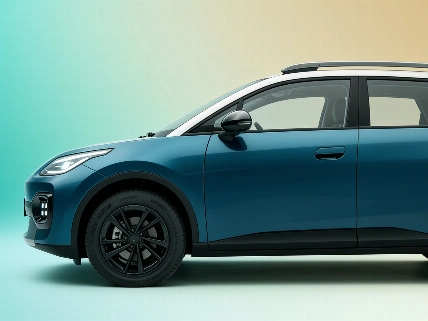
But textiles aren’t the whole story. Imports of machinery, electrical goods, and car parts are also climbing. Last year, Galicia bought 489 million euros’ worth of machines and electrical equipment from Asia. That includes 251 million in electricity accumulators and 101 million in phones. The car industry is moving even faster: imports of cars and parts shot up 108% to 223 million euros. The first half of 2026 is already showing another big jump.
The Xunta de Galicia, through its Economic Office, has made industrial cooperation and investment with Asian partners a strategic priority, as highlighted in official communications from September 2026. This institutional focus aims to diversify Galicia’s economic base and strengthen resilience against global supply chain disruptions.
Seafood and processed fish are still core to Galicia’s trade identity. Imports of fish, crustaceans, and mollusks from Asia reached 259 million euros, up 29%. Canned products came close behind at 255 million. Other top imports include aluminum, mechanical devices, foundry goods, and footwear. Each sector shows a different side of Galicia’s industrial appetite.
There are real-world examples behind these numbers. The conservera Albo, now owned by Shanghai Kaichuang International Marine Resources, and Citic group’s operations in O Porriño, show how Asian investment and know-how are taking root in Galicia. The expected arrival of SAIC—the Chinese company behind MG cars—in Ferrolterra points to even deeper ties ahead.
Exports to Asia are rising too, though not as quickly. Last year, Galicia sold 1.116 billion euros’ worth of goods to the region, up 2.4%. The trade gap is wide, but the regional government sees a chance to close it. Lorenzana says the goal is to keep building contacts and strengthen institutional ties across Asia, convinced the continent offers “many possibilities for growth and expansion for the Galician economy.”
These changes fit into a bigger pattern across Spain. Asian brands are gaining ground in industries once led by European companies. As reported earlier, Chinese and American firms are shaking up Spain’s electric vehicle market, pushing traditional brands aside.
Galicia’s turn toward Asia isn’t risk-free. The region is now more exposed to global supply chain shocks and shifting geopolitics. But the numbers are clear: the economic center of gravity is moving east. For Galician industry, the next step is to turn this momentum into lasting gains—by deepening institutional links, broadening partnerships, and making sure the benefits reach beyond just a handful of leading sectors.