Emiliano García-Page urges early national elections, calling this the PSOE's most difficult period. Internal divisions and corruption scandals intensify pressure on party leadership. Key regional figures voice differing stances.
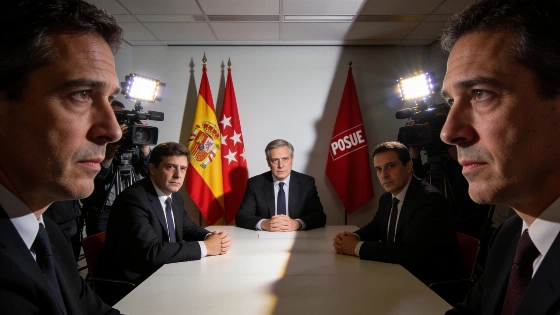
Emiliano García-Page, president of Castilla-La Mancha, arrived at the PSOE federal committee meeting in Madrid with a clear demand: early general elections. He described the current situation as the party's most challenging in recent history, arguing that the interests of Spain must come before those of any individual leader. García-Page's call comes as the PSOE faces a series of corruption scandals and a string of electoral defeats, fueling uncertainty about the party's direction.
The federal committee, convened for the first time in a year, gathered under heightened tension. The backdrop includes the 24-year sentence handed to former minister José Luis Ábalos, ongoing investigations in the Leire case, the withdrawal of Begoña Gómez's passport, and scrutiny of former president José Luis Rodríguez Zapatero. These developments have left the party increasingly isolated in Congress and have triggered debate over the timing of the next general election.
While García-Page pressed for immediate elections, other regional leaders offered contrasting perspectives. Carlos Martínez, secretary general of the PSOE in Castilla y León, acknowledged the debate but insisted that Pedro Sánchez has earned the right to decide when to call elections. Martínez emphasized the importance of governing and maintaining the party's course, despite the mounting challenges.
Francina Armengol, president of the Congress of Deputies and leader of the Balearic socialists, sought to inject optimism, framing the committee as a starting point for future regional and local elections in 2027. She highlighted the party's long history and called for unity in difficult times. In Asturias, Adriana Lastra, government delegate and deputy leader of the regional federation, publicly reaffirmed support for Sánchez and the federal leadership, singling out Rebeca Torró for her organizational work.
In Madrid, the announcement by city councillor Enma López of her intention to run for mayor caught the party off guard, as the primary calendar had not yet been set. Óscar López, Madrid's PSOE secretary general and a government minister, downplayed the significance of the move, stating that internal details were irrelevant and reiterating support for the current government.
Pilar Alegría, secretary general of PSOE Aragón, echoed support for Sánchez and praised local officials across Spain, while also condemning those who had used the party's name for personal gain. In Extremadura, newly appointed regional secretary Álvaro Sánchez Cotrina pledged to work hard for electoral victory, regardless of when elections are held, and stressed the importance of territorial cohesion.
Salvador Illa, president of the Generalitat of Catalonia and PSC secretary, focused on the need for progress and a plural Spain, dismissing fears and emphasizing the party's decisive response to corruption cases. The committee's atmosphere reflected deep divisions and uncertainty, with leaders balancing calls for renewal against appeals for stability.
For context, the PSOE has suffered four regional electoral defeats in less than six months, intensifying scrutiny of its leadership and strategy. The party's internal debates now center on whether to seek renewal through early elections or to consolidate its position ahead of the next scheduled vote. The outcome of these discussions could shape the political landscape in Spain for years to come.