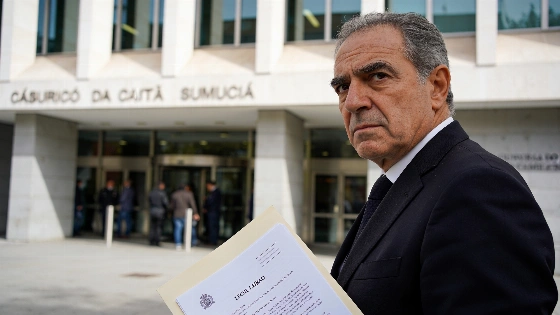
Gonzalo Boye, the legal architect behind Carles Puigdemont’s defense, claims Spain’s amnesty for the exiled Catalan leader is imminent. Boye sharply criticizes Pedro Sánchez, alleging political manipulation and a lack of real reform.
Gonzalo Boye is not holding back. The Chilean-born lawyer who leads Carles Puigdemont’s defense has gone straight at Pedro Sánchez. He says the Spanish prime minister has misled his own party and the country. The stakes are high. Spain’s courts are closing in on a decision that could let Puigdemont, the exiled former Catalan president, come home after nine years abroad.
Boye says the Supreme Court is almost ready to apply the amnesty to Puigdemont. That would open the door for his return. The date could be late October, but Boye says it all depends on how fast the Supreme Court and the Constitutional Court move. He is sure about one thing. "Once the amnesty is applied, Puigdemont will return to Spain."
The Constitutional Court is set to review the amnesty for malversación on October 6, 2026, and its decision will be communicated to the Supreme Court promptly after the ruling.
There is more than legal strategy at play. Boye claims Spanish courts have fought the amnesty from the start. His team had to build their case on European law. He says the government is not seeking real reconciliation. Instead, Boye accuses Sánchez of trying to control the story and protect his own interests. In Boye’s view, this legislature has done more harm to Spain than the 2017 independence crisis.
Boye’s criticism does not stop with the amnesty. He calls the government’s housing decrees "juridically unsustainable." He says Junts will only back policies that help Catalonia directly. This hard stance matches the recent uproar over housing policy, including the reported earlier defeat of key decrees and the pressure on ministers. Tensions are rising.
Boye himself is under pressure. He points to a string of legal cases opened against him since he took on Puigdemont’s defense. He calls it a "parapolitical structure" meant to weaken his work. Boye was acquitted in a recent money laundering case. Another case, opened on Spain’s election day, was thrown out for lack of evidence. His past is still a flashpoint. Boye was convicted in 1997 for his role in the kidnapping of Emiliano Revilla. He still denies the charge. He says he regrets what happened but will not apologize to ETA’s victims.
A key legal issue is the interpretation of the amnesty law’s exception for those who obtained personal financial gain; this was the main reason the Supreme Court previously refused to apply amnesty to several figures, including Puigdemont.
The legal and political fight is not over. Boye says only a return to normal politics and respect for European law can solve the Catalan conflict. The next few weeks will show if Spain’s institutions are ready to move on or if old battles will drag on. The government’s focus on controlling the story, not real reform, leaves Spain open to more division. Boye’s challenge to Sánchez is both legal and political. The outcome will shape Spain’s future. It is bigger than one man’s return.