An alert detailing the irregular entry of 49,000 migrants into Ceuta prompted the Spanish government to remove the head of communications at the Departamento de Seguridad Nacional (DSN). The dismissal took place last Friday, by phone, while the official was on holiday. Citing data from the Ministry of the Interior, the alert appeared on the DSN website and was deleted within hours. It marked the first official confirmation of the scale of the migrant influx in the North African city.
The former official, who had managed the DSN website for years and previously worked at the Ministry of Defence, received no new assignment and faces a impressive salary reduction. Such departures are typically negotiated. In this case, the process was expedited, leaving the official in a state of 'available without destination.' Since her removal on the 31st, the DSN website has published no further news updates.
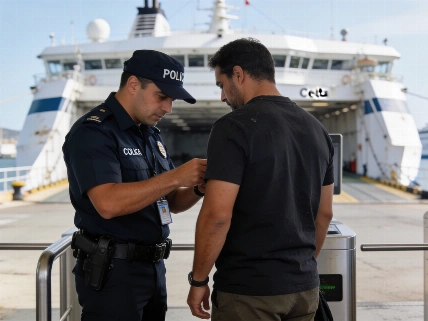
The deleted alert said that, in just 24 hours, more than 49,000 migrants had entered Ceuta through the breakwater and Tarajal beach. It described this as the city’s largest migration crisis since May 2021. The alert also said Moroccan security forces had begun using riot control measures to disperse crowds in the nearby city of Castillejos, information from several media outlets. Later figures exceeded 49,000: subsequent accounts put the total above 60,000, while independent reporting described more than 70,000 crossings over roughly 48 hours on 30 and 31 July. The totals reflect different reporting points or counting methods. Crossings took place by land and sea, and most entrants later returned to Morocco.
Questions about Spain’s preparedness have also focused on warnings issued before the arrivals. Reporting on a 22-page dossier from the Centro Nacional de Inteligencia (CNI) says the agency identified calls for a “mass assault by land and sea” on 29 July, a day before the basic influx. It also recorded approximately 180,000 users in online groups associated with preparations. The dossier was reportedly sent to the Audiencia Nacional; Judge Tardón asked the Policía Nacional to provide related alerts and reports within three days. The Fundamental Rights Agency said the episode “put the balance between protecting fundamental rights and safeguarding the EU’s external borders to the test.”
The Spanish government said it declared a “Situation of National Security Interest” in Ceuta and appointed a Functional Authority to coordinate security and oversee designated areas, clearance operations, triage and returns. It described the declaration as “already clear evidence that there has been no inaction” by state services. The government also reported that more than 12,700 people had returned to Morocco between 10 August and 20 October. It said major coastal settlements at Trampolín and Benítez had been cleared, along with the settlement at Guano.
Ceuta’s government, but, has challenged Madrid’s response in a contentious-administrative case before Spain’s Tribunal Supremo. It is seeking urgent measures to ensure resources for returns and expulsions, as well as international-protection applications within statutory deadlines. According to reporting on the city’s filing, 4,432 adults had undergone triage by mid-October, while child-protection services were caring for 3,019 minors against an ordinary capacity of 29. The city also alleged that no administrative expulsions had been completed for adults who arrived during the two-day influx. These figures and claims form part of Ceuta’s legal argument. Separate reporting put the number still in the city at roughly 15,000, including about 3,300 minors.
The continuing response has raised human-rights concerns alongside practical pressures on accommodation and screening. The Global Justice Center reported that nearly 90 people may have died attempting to reach the Spanish border. Reuters also reported that Asociación Elin submitted allegations to Spain’s ombudsman, saying some migrants from Sudan and Chad were summoned by police and deported without warning. The European Union Agency for Fundamental Rights has warned of “serious risks to Fundamental Rights at the bloc’s external borders.”
Ceuta continues to face challenges managing large-scale arrivals. In recent years, sudden surges of migrants have repeatedly overwhelmed local infrastructure and prompted urgent requests for support from Madrid. For example, emergency facilities were set up to accommodate hundreds of unaccompanied minors after a previous mass arrival. The latest episode highlights the sensitivity of official communications on migration and the potential consequences for civil servants who disclose sensitive information.
Ceuta, a Spanish enclave on the northern coast of Africa, has long been a focal point for migration from Morocco and other African countries. Its position makes it a frequent entry point for people seeking to reach Europe, while its border management remains a subject of political and social debate in Spain. The rapid removal of the DSN official signals the government’s intent to tightly control the narrative around migration figures and crisis management as the situation in Ceuta continues to evolve.