Tensions escalate in Ceuta as the government faces criticism for its handling of the migration crisis. Calls intensify for King Felipe VI to contact Morocco’s monarch. The debate exposes divisions within the ruling coalition.
The Spanish government is under mounting scrutiny as the humanitarian crisis in Ceuta intensifies, with criticism now extending to King Felipe VI for not contacting Morocco’s King Mohamed VI. Enrique Santiago, deputy spokesperson for Sumar and a leading figure in Izquierda Unida, publicly questioned why the monarch has not yet made the call, describing the delay as surprising and urging immediate action. This comes amid growing frustration over the government’s response to the influx of migrants and the ongoing pressure on local resources.
According to Santiago, the King’s intervention is overdue, especially given the close ties between Spain and Morocco. He argued that Felipe VI should have reached out to his Moroccan counterpart at the outset of the crisis, emphasizing the need for the head of state to fulfill his constitutional role. Santiago also insisted that the tone of any conversation with Mohamed VI should be firm, reflecting what he described as a “hybrid attack” on Spanish territory, with Ceuta and its residents bearing the brunt of the situation.
Government sources, as reported by El País, indicate that a minister had suggested the King call Mohamed VI to express gratitude for Morocco’s cooperation in the early stages of the crisis. However, Moncloa has not confirmed this recommendation. Official statements from Prime Minister Pedro Sánchez and most ministers have praised Morocco as a reliable partner, highlighting its role in facilitating the return of migrants during the initial surge. Only Defence Minister Margarita Robles has refrained from such public endorsements.
Santiago’s criticism extends beyond the phone call. He has called for Felipe VI to visit Ceuta, arguing that the monarch has a duty to show support for the autonomous city during a period of uncertainty. The central government has stated there are no obstacles to such a visit, provided it is coordinated appropriately, and has denied issuing any directive to prevent the King from traveling to Ceuta. Santiago believes that all state authorities with a role to play should be present in Ceuta, not for symbolic reasons, but to help resolve the crisis and reassure the local population.
The debate over the King’s role comes as divisions within the government become more visible. Socialist minister Óscar Puente recently criticized Felipe VI for appearing in a photograph with journalist Javier Negre, calling it an “absolute ignominy” and suggesting it damaged the King’s image. This internal friction adds another layer to the political tensions surrounding the Ceuta crisis.
On the ground, the humanitarian situation remains critical. Santiago has advocated for the transfer of the estimated 10,000 migrants still in Ceuta to the Spanish mainland, arguing that the city cannot absorb such numbers. He pointed out that the decline in arrivals to the Canary Islands this year has freed up more than 10,000 places in mainland reception centers, all managed by the state. Santiago dismissed concerns about a “pull effect,” insisting that relocating migrants would not encourage further arrivals.
The Ceuta crisis has already prompted calls for stronger measures, including demands from local PSOE deputies for a state of alarm and increased Frontex presence, as detailed in a related report on political responses to the border emergency. The ongoing debate highlights the complexity of managing migration flows, the strain on local infrastructure, and the political challenges facing both the government and the monarchy.
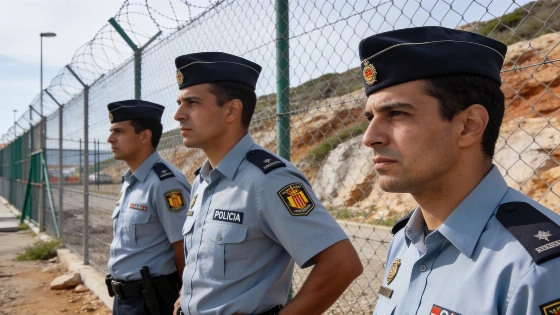
Ceuta, a Spanish enclave on the North African coast, has long been a focal point for migration from Africa to Europe. The city’s unique position makes it a frequent entry point for migrants seeking asylum or better opportunities. Spanish authorities are tasked with balancing humanitarian obligations, border security, and diplomatic relations with Morocco. The current crisis underscores the difficulties in achieving this balance, especially when political disagreements emerge within the government and between state institutions. The outcome of the debate over the King’s involvement and the handling of migrants will likely influence future policy decisions and Spain’s approach to similar challenges.