Mercedes González and Manuel Llamas face judicial questioning over alleged leaks and internal probes. The case centers on suspected efforts to influence investigations tied to the PSOE and government circles.
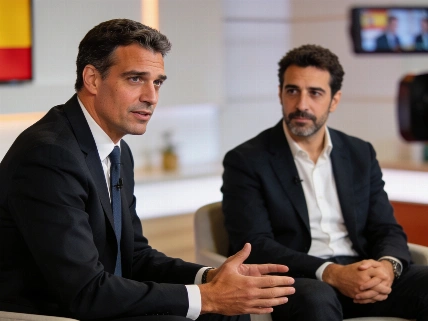
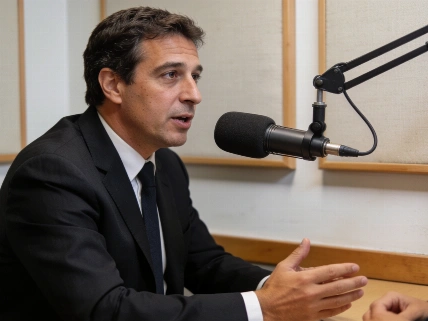
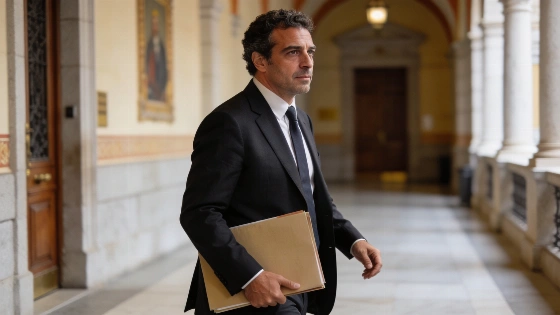
The director general of the Guardia Civil, Mercedes González, and the force’s operational chief, Manuel Llamas, appeared this Thursday before the Audiencia Nacional as suspects in the ongoing investigation into the so-called ‘Leire Díez case’. The proceedings focus on whether internal probes within the Guardia Civil were used to uncover possible information leaks and, potentially, to exert pressure on officials involved in sensitive cases linked to the PSOE and the government.
The inquiry, led by Judge Santiago Pedraz, escalated after the Unidad Central Operativa (UCO) intensified its suspicions regarding González and Llamas. According to the case file, both are believed to have initiated internal investigations within the institution, a move that prosecutors argue may have been exploited by a network allegedly organized by former socialist member Leire Díez. The UCO’s findings suggest that these internal dossiers could have served as a tool to intimidate or influence officials handling politically sensitive matters.
Investigators point to Díez’s prior relationship with Mercedes González as a key factor. UCO reports indicate that Díez repeatedly referenced her close personal ties with the director general, claiming to have direct access and regular meetings. At least three encounters between the two have been documented by investigators, though González, during her Senate appearance on June 16, acknowledged only two. She described the first meeting as a professional introduction shortly after taking office, and the second as a discussion in which Díez unsuccessfully lobbied for the reinstatement of commander Rubén Villalba, who is himself implicated in the Koldo case.
The case has drawn attention to the intersection of internal police procedures and political interests. Prosecutors requested the formal questioning of both González and Llamas after the UCO’s findings raised concerns about the possible instrumentalization of internal investigations. The Anticorruption Prosecutor’s Office maintains that the alleged network led by Díez sought to manipulate these processes to create a climate of intimidation among officials involved in cases affecting the PSOE and the government, as well as the family circle of Prime Minister Pedro Sánchez.
This development comes amid heightened scrutiny of political influence over Spain’s judicial and law enforcement institutions. Recent months have seen several high-profile cases spark debate over the independence of the judiciary and the potential for political pressure. For example, the government’s response to the court ruling involving David Sánchez, the Prime Minister’s brother, has also raised questions about the boundaries between political and judicial spheres, as detailed in coverage of the Badajoz court decision.
In Spain, the Audiencia Nacional is responsible for handling complex cases with national significance, particularly those involving organized networks or alleged corruption. The UCO, as the Guardia Civil’s elite investigative unit, often leads inquiries into high-level misconduct. The current case underscores the challenges faced by law enforcement agencies when internal procedures intersect with political controversies. While the investigation continues, the outcome could have implications for the oversight of internal police actions and the perceived independence of Spain’s security institutions. The situation remains fluid, with further judicial steps expected as the inquiry progresses.