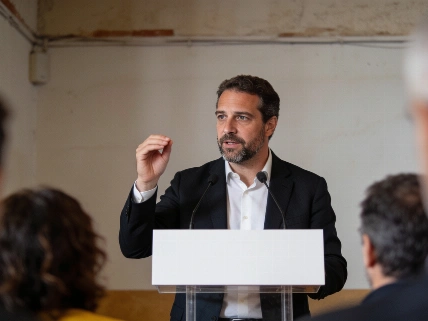
Audio recordings have revealed a tense exchange between Luis Antonio del Castillo, the second-in-command of the DAO, and General Fernando Mora, head of the Madrid Zone, over Mora’s attendance at official 2 May events presided over by Isabel Díaz Ayuso. The recordings capture del Castillo using harsh language and making physical threats after Mora said he felt unsupported by his superiors.
The confrontation has drawn attention to leadership dynamics within the Guardia Civil, one of Spain’s principal law-enforcement bodies. Mora is now retired, and the leak has renewed discussion about the limits of authority and command culture. Presenter Iñaki López, commenting on the recordings, questioned whether the conduct could amount to an abuse of power or a criminal threat. Those are legal questions distinct from the public debate prompted by the exchange.
The episode comes amid other high-profile disputes in Spanish law enforcement that have focused attention on senior officials’ conduct and the handling of internal conflicts. A recent legal dispute involving a former National Police deputy director has also brought scrutiny to these issues.
Madrid’s 2 May events hold civic and political significance and attract institutional attention. The dispute over attendance highlights the sensitivity of official representation at events involving prominent political figures such as Ayuso, as well as the pressures senior officers may face when deciding how to participate. The episode has prompted calls to discuss clearer protocols for attendance at politically prominent events.
Founded in the 19th century, the Guardia Civil has a hierarchical command structure and carries out a broad range of security and public-order duties. Disputes among senior leaders can affect morale and public confidence. The exchange has also focused attention on internal communication and how officers can raise concerns about pressure from superiors. It highlights the challenge of maintaining institutional loyalty and personal integrity while serving the public.