A power drop at La Sagrera station stopped high-speed trains between Barcelona and Girona. Two trains were affected, with passengers evacuated. Authorities activated emergency protocols and suspended service.
High-speed rail traffic between Barcelona and Girona was abruptly suspended on Sunday morning after a sudden loss of electrical power at La Sagrera station. The incident, which occurred just before 9:00, left two trains immobilized and forced operators to halt all AVE and Avant services on the route. According to Renfe, the disruption was caused by a voltage drop in the overhead catenary system, directly impacting scheduled departures and passenger movement.
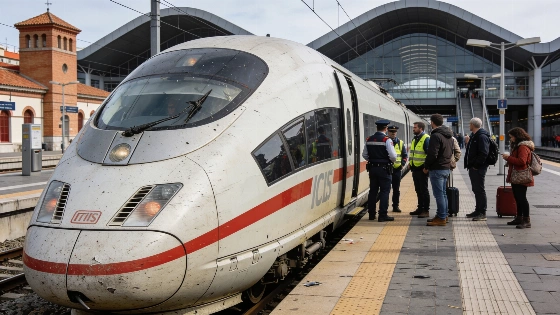
The first affected train, an Avant service from Barcelona to Figueres, was scheduled to depart at 8:07 but came to a standstill at La Sagrera with around thirty passengers on board. Shortly after, a Barcelona-Lyon high-speed train, set to leave nine minutes later, was also forced to interrupt its journey and return to Sants station. Emergency teams coordinated the evacuation of all passengers from both trains, ensuring their safety as technical crews began assessing the cause of the electrical failure.
Protection Civil confirmed via social media that the interruption was due to a lack of electrical tension on the line. In response, the Ferrocat emergency plan was activated in pre-alert phase, mobilizing additional resources to manage the situation and prevent further complications. The suspension of high-speed services between Barcelona and Girona created immediate delays and forced travelers to seek alternative routes or await updates from railway authorities.
While the incident was resolved without injuries, the disruption highlights the vulnerability of critical transport infrastructure to technical faults. Similar transport interruptions have previously affected the region, such as the metro collapse in Sant Gervasi, which left residents displaced for months and required extensive repairs, as reported in coverage of the Barcelona metro sinkhole. These events underscore the importance of rapid response protocols and ongoing investment in rail system reliability.
Spain's high-speed rail network is among the most extensive in Europe, connecting major cities and supporting both domestic and international travel. Disruptions like the one at La Sagrera can have a ripple effect on regional mobility, especially on weekends when passenger volumes are high. The activation of the Ferrocat plan demonstrates the readiness of local authorities to address emergencies, but also points to the need for continuous monitoring and maintenance of key infrastructure. As of midday, Renfe had not provided a timeline for the full restoration of service, advising passengers to check for updates before planning their journeys.