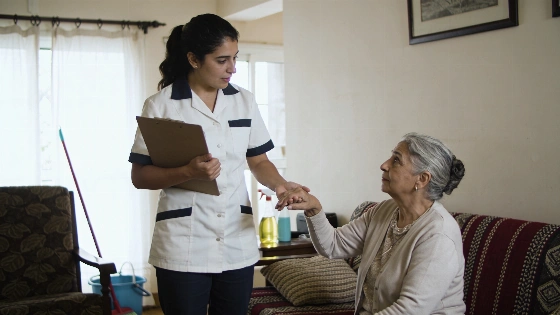
Spanish home care auxiliaries are speaking out against being mistaken for cleaners, highlighting the regulated nature of their work. With nearly 1.7 million people relying on home care, the profession faces persistent misconceptions and undervaluation.
María Adame, an experienced home care auxiliary, has had enough of being mistaken for a cleaner. Her frustration is shared by thousands of colleagues across Spain, where the boundaries of professional care work are often blurred by outdated stereotypes and family expectations.
According to official data, nearly 1.7 million people in Spain now receive some form of support through the national dependency system. The sector employs over half a million workers—80% of them women—making it a cornerstone of support for families with elderly or dependent relatives.
Misconceptions and Prejudice
Despite the scale and importance of their work, auxiliaries like María say they are still too often treated as domestic help rather than trained care professionals. "We are not cleaners," María insists. "We are home care auxiliaries, with responsibilities and tasks defined by law and by care plans approved by social services." She describes how many workers still hear dismissive comments, as if they were "servants without training or rights." In reality, the job demands both skill and emotional resilience, as it involves direct support for people with varying levels of dependency.
What Home Care Really Involves
The core of home care is not about scrubbing floors or running endless errands. Instead, auxiliaries focus on supporting users with daily routines, providing companionship, and ensuring their well-being according to specific needs outlined by social services. The Ministry of Social Rights notes that 57% of all dependency benefits are now delivered in the home or local community, underlining the growing importance of this work.
María is clear about the limits: "We can clean the bathroom after use, tidy the kitchen if it's been used, or make the bed as part of daily care. This is called functional cleaning and is regulated." Deep cleaning the entire house or taking on any task at the family's request, however, is not part of the job description.
Regulated Tasks and Boundaries
Other tasks—like shopping, picking up prescriptions, accompanying clients to medical appointments, or going for walks—are only performed if they are specifically authorized in the individual's care plan, with clear time limits and objectives. These are not favors or open-ended obligations, but structured elements of a regulated service.
Setting boundaries, María argues, is not about shirking responsibility but about defending labor rights and the integrity of the profession. Wearing a uniform is not about pretending to be a nurse, but about hygiene and professionalism. "Having social and health training doesn't make us doctors, but it doesn't make us 'girls for everything' either," she says.
Fighting for Recognition
Many auxiliaries report being pressured to take on extra duties, facing disrespect, and enduring physical and emotional strain that often goes unrecognized. "We're not lazy, we're not trying to get paid for nothing, and we don't refuse to care," María emphasizes. What they reject are abuses, unreasonable demands, and the persistent undervaluing of a role that is essential to Spain's care infrastructure.
For families who expect someone to clean the entire house, run unlimited errands, and be on call for any task, María's message is blunt: they are not looking for home care—they are seeking a different service altogether.
This struggle for recognition echoes broader debates about the value and visibility of care work in Spain. As the population ages and demand for home-based support grows, the need to clarify roles and protect workers' rights becomes ever more urgent. The issue of regulated care roles is also relevant in other contexts, such as the ongoing discussion about disability pensions for chronic conditions, as highlighted in recent coverage of Spain's disability pension policies.