Cape Verde Qualifies for World Cup for the First Time: The Role of the Flamengo and Cruzeiro Coach. The Cape Verde national team will play at the World Cup for the first time. This historic achievement was made possible thanks to unexpected ties with Brazilian football and experience gained under the Flamengo coach.
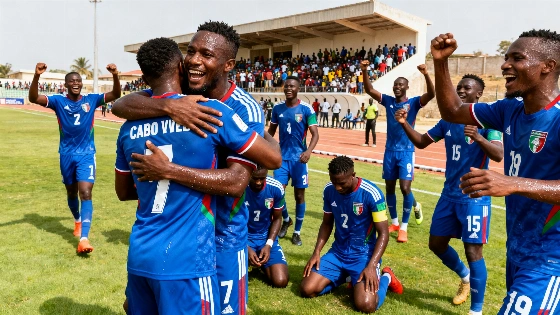
The Cape Verde national team has qualified for the FIFA World Cup for the first time in history, securing their spot in the tournament after a 3-0 victory over Eswatini. This achievement was made possible not only by the efforts of the players and coaching staff, but also due to unexpected support from Brazil. As noted by ge, the key role was played by connections with the current Flamengo coach Leonardo Jardim and the club Cruzeiro.
In July last year, Cape Verde’s head coach Pedro Brito, known as Bubista, spent several days at the Cruzeiro training base in Belo Horizonte. There, he observed the training process, adopted methods from the Portuguese specialist, and familiarized himself with the organization of football life in Brazil. This exchange of experience became an important stage in the team’s preparation for decisive matches in the African qualifiers.
In October, Cape Verde secured their lead in Group D and became the second least populated country to qualify for the World Cup after Iceland (2018). By area, Cape Verde is the smallest country ever to participate in the tournament: its territory slightly exceeds 4,000 square kilometers, smaller than Trinidad and Tobago, who debuted in 2006.
Cape Verde will make its World Cup debut in the United States: on June 15, the team will play Spain in Atlanta, then face Uruguay on June 21 in Miami, and conclude the group stage with a match against Saudi Arabia in Houston on June 26. Attention to the African squad is heightened not only by their unique status as debutants, but also by how international experience and football connections have helped the team reach a new level.
This year, the World Cup is being held in an expanded format: 48 teams are participating, increasing competition and opening the door for new teams. As shown in the review of contenders for the Golden Boot, the tournament in the USA, Canada, and Mexico has already broken records for the number of participants and produced some unexpected surprises. For Cape Verde, this is not only a sporting achievement, but also an important milestone for a country with just over 500,000 inhabitants, where football is becoming part of the national identity.
For reference: Cape Verde is an island nation off the west coast of Africa and a former Portuguese colony. In recent years, the country has been actively developing sports and tourism, and appearing at the World Cup could further boost interest in the region and attract investor attention. The team is made up primarily of players competing in European and African clubs. In Spain, interest in Cape Verde's debut is linked not only to the upcoming match against the national team, but also to how new football stories are shaping global sports.