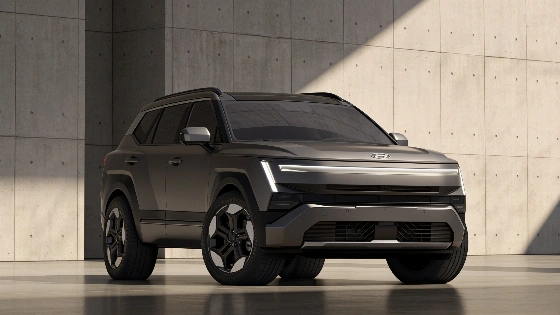
Hyundai has unveiled the fifth-generation Tucson, featuring a striking new design, increased dimensions, and the debut of the Pleos infotainment system. The model is set to launch in Korea this year and reach global markets by 2027.
Hyundai has taken a decisive step with the upcoming 2027 Tucson, transforming its popular SUV into a vehicle that looks and feels entirely new. The fifth-generation Tucson breaks away from its predecessor with a bold exterior, a larger footprint, and a suite of advanced technologies aimed at redefining the segment.
Unlike many brands that stick to incremental updates, Hyundai has opted for a complete overhaul. The new Tucson now measures 4.7 meters in length—an increase of 60 mm—while its width has grown by 40 mm to 1.9 meters, and its height rises by 20 mm to 1.6 meters. The wheelbase stretches to 2.7 meters, resulting in a noticeably roomier cabin and improved comfort for families. Wider door openings further enhance accessibility, underlining the model’s shift toward practicality and everyday usability.
Inside the New Tucson
The interior of the Tucson has been reimagined to match its exterior transformation. The cabin now accommodates Hyundai’s new Pleos infotainment system, which is anchored by a larger touchscreen paired with physical controls for intuitive operation. Behind the two-spoke steering wheel, a slim digital display provides essential driving information, maintaining a clean and modern look. The redesign prioritizes space and ergonomics, making the Tucson more inviting for both drivers and passengers.
Exterior Evolution
Visually, the Tucson’s new generation is defined by sharper lines and a more assertive stance. The SUV adopts a boxier silhouette, with pronounced wheel arches and distinctive lighting bars that span the width of both the front and rear. These bars connect with the headlights to form a signature H-shaped motif, a nod to the Hyundai name. The result is a futuristic, angular appearance that sets the Tucson apart from its previous iterations.
What Comes Next
While Hyundai has revealed the design and dimensions, technical specifications and pricing details remain under wraps. The company plans to launch the new Tucson in Korea by the end of this year, with a global rollout expected in 2027. As the SUV market continues to evolve, Hyundai’s bold approach with the Tucson signals its intent to remain a key player in the segment.
This strategy of radical reinvention echoes broader trends in the automotive industry, where established models are being reimagined to meet changing consumer expectations. For example, the Honda Jazz recently marked its 25th anniversary with a hybrid update and a focus on interior versatility, highlighting how brands are competing not just on technology, but also on space and practicality.
As more details emerge about the Tucson’s powertrains and features, attention will turn to how Hyundai balances innovation with the qualities that have made the model a consistent favorite. For now, the 2027 Tucson stands as a clear statement of intent: bigger, smarter, and ready to challenge expectations in the SUV market.