The in-FCTA festival in Bot celebrates a decade of alternative cinema. Actor Iván Massagué urges support for rural culture. The event highlights both film and local concerns over wind energy projects.
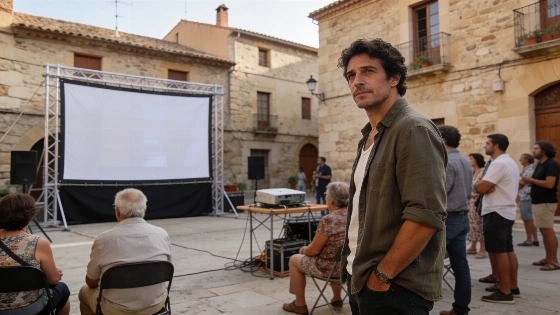
The in-FCTA film festival in Bot, a village of just 500 residents in Terra Alta, has reached its tenth anniversary, drawing attention to the power of culture in Spain’s rural communities. Led by actor Iván Massagué, the event has transformed the small town into a hub for alternative cinema, with 87 short films from various countries screened this year, including 50 in competition. The festival, running until August 8, also features training sessions for industry professionals, musical gatherings, and family-friendly performances.
This year’s opening ceremony was marked by a strong message about the region’s future. Singer Sílvia Pérez Cruz took the stage to voice concerns about the expansion of large wind farms in Terra Alta, a topic that has sparked debate among locals. Her a cappella performance of Vestida de noche was accompanied by a reflection on the impact of these energy projects, highlighting the tension between environmental initiatives and the preservation of local identity.
Since its founding by Josep Mulet, known locally as ‘lo cinero’ de Bot, the festival has grown from a small community event into a defining feature of the municipality. Massagué, together with Úrsula Agut, paid tribute to Mulet during the inauguration, describing him as the spark behind in-FCTA. The actor also called on authorities to protect and nurture cultural projects in small towns, emphasizing their role in shaping local identity.
The festival’s tenth edition carries the motto ‘Mientrastante, in-FCTA...’, a phrase chosen to reflect an ongoing story without a final point. Over the past decade, the event has brought hundreds of short films and a new generation of viewers to Bot, filling its streets for a week each summer. The opening night, hosted by Jordi Díaz and Juli Fàbregas with soprano Anna Belén Gómez, paid homage to silent cinema. The annual in-FCTA 2026 short film, created with local participants, premiered the same evening. This year, sand was chosen as a symbol to represent the collective effort of volunteers, residents, wineries, and farmers who have contributed to the festival’s success, grain by grain.
One of the festival’s strengths is its blend of professional cinema with emerging talent, youth productions, school projects, and immersive experiences. Local agricultural producers are also involved, reinforcing the event’s connection to the region’s traditions and economy. The festival’s approach stands out in a landscape where rural cultural initiatives often struggle for recognition and support.
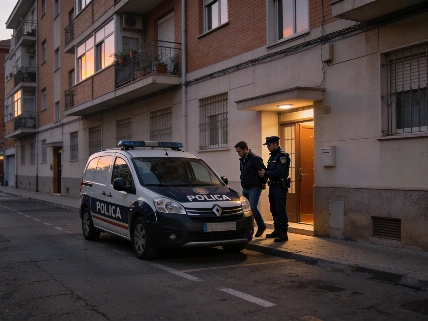
While the in-FCTA festival focuses on cinema and community, other recent events in Spain have highlighted different challenges facing small towns. For example, the discovery of human remains in Málaga led to a confession and arrest, as detailed in this report on a shocking case in Alhaurín de la Torre. Such incidents underscore the diverse realities of rural life across the country.
Spain’s rural festivals like in-FCTA play a crucial role in sustaining local culture and providing platforms for creative expression outside major cities. As debates over renewable energy projects and demographic change continue, the experience of Bot demonstrates how cultural events can unite communities and draw national attention to issues that matter locally. The festival’s evolution over ten years reflects broader trends in rural revitalization and the ongoing negotiation between tradition, innovation, and external pressures.