Fujimori Pulls Ahead in Peru Elections Thanks to Overseas Votes. Tense vote counting continues in Peru. Candidate Fujimori has taken the lead thanks to support from Peruvians abroad. Final results may not be announced until July due to a review of disputed ballots.
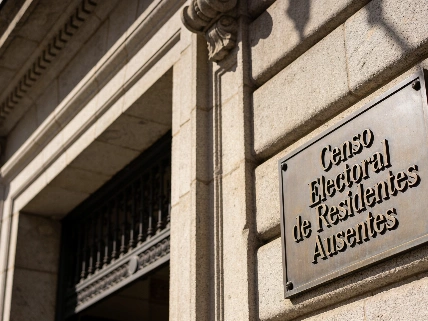
Peru remains gripped by a tense intrigue over the outcome of the presidential election: according to the latest figures, Keiko Fujimori has taken the lead for the first time in the campaign, surpassing Roberto Sanchez by less than a thousand votes. The key factor has been ballots cast by Peruvians living abroad, especially in the US and Spain, where Fujimori won an overwhelming majority. According to local election commissions, 76.5% of voters in the US supported her, 60.1% in Spain, and 61.3% in Argentina.
With 98.2% of the ballots processed, Fujimori holds 50.002%, while Sanchez has 49.999%. The gap is minimal, and the outcome depends on the remaining tally sheets and so-called 'observation reports' that could shift the balance. There are 1,635 such contested reports in total, making up 1.7% of all protocols. As a result, the final outcome may not be announced until mid-July.
The situation is complicated by a segment of society's lack of trust in the vote-counting process. The country still remembers the fraud scandal of 2000 under Alberto Fujimori's regime, and in 2021 Fuerza Popular already tried to challenge the results, demanding the annulment of tens of thousands of votes in regions where the opposition was leading.
Amid expectations of the results, Keiko Fujimori publicly called on Sánchez to acknowledge the election outcome, reminding him of his promise to respect the will of the voters. However, tensions are rising in Sánchez's camp: his supporters are preparing a mass rally in central Lima, and representatives of the Juntos por el Perú party have announced their intention to defend the “people’s victory” in the streets. There have already been reports of forceful dispersals of Sánchez supporters’ tents near the National Jury of Elections building.
The question of the future president’s legitimacy remains open. Historian José Ragas expressed doubts about Fujimori’s willingness to limit herself to a single term if she wins. At the same time, the pardons commission has rejected another request for the release of former President Pedro Castillo, who was convicted after attempting a coup in 2022. His defense may reapply within 20 days.
While the country awaits a final verdict, the situation resembles a marathon with an unpredictable finish. As russpain.com notes, in Latin America, political campaigns are often accompanied by mass protests and legal disputes, a pattern also confirmed by the recent elections in Ecuador, where the final stage took place under the close scrutiny of the public and international observers — details on the situation in the region.
For Spain, this election campaign is important not only because of the large Peruvian community, but also as an example of how migrant votes can influence election outcomes in Latin American countries. According to official data, Spain is home to one of the largest Peruvian diasporas in Europe, and their participation in voting is becoming an increasingly significant factor in their homeland’s politics.