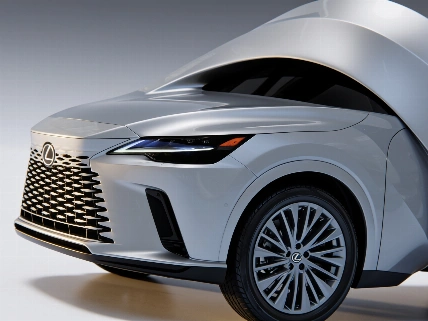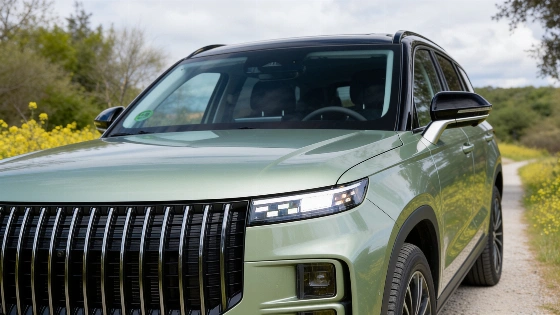
JAECOO has pulled its petrol-powered 7 SUV from Spain, leaving only hybrid and plug-in options. The move shows how emissions rules and tough competition are forcing Chinese brands to change course.
Spanish buyers looking for a petrol JAECOO 7 are out of luck. The 145-horsepower petrol SUV is gone. Only hybrid and plug-in hybrid versions remain on sale.
This isn’t the first time a Chinese petrol SUV has vanished from Spain. The Omoda 5 petrol model disappeared just days earlier. Now, its sibling follows. The reason is simple. Carmakers face growing pressure to cut fleet emissions. Even Chinese brands, once seen as disruptors, are feeling the squeeze. European rivals have already been forced to adapt. According to regional Spanish media, the petrol JAECOO 7 was available from the brand’s launch in September 2024. The hybrid and plug-in models only arrived in February 2025. That means the petrol version’s exit is recent, not part of the original plan.
The plug-in hybrid JAECOO 7 is officially rated at 2.4 liters per 100 km (WLTP) and 54 g/km CO2 emissions, positioning it as a low-emission alternative to the discontinued petrol version.
Now, the cheapest JAECOO 7 is a 224-horsepower hybrid. It comes with an Eco badge and costs 23,400 euros with financing. The 51-liter tank and claimed 5.5 liters per 100 km fuel use add up to a supposed 900 km range. That’s strong on paper. But the era of bargain petrol SUVs from China is over. Spanish car magazines confirm the HEV is now the entry-level "mass market" JAECOO 7. It replaces the old petrol model and qualifies for the ECO badge, which matters more and more for city driving.
Buyers who want more electric range can pick the plug-in hybrid. It offers 279 combined horsepower, a zero-emissions badge, and up to 90 km of electric-only driving. Total range can reach 1,200 km. Acceleration from 0 to 100 km/h takes 8.5 seconds. More power doesn’t always mean more speed. Spanish automotive outlets confirm the PHEV’s specs: 279 hp, an 18.4 kWh battery, and up to 1,200 km combined range. These numbers are widely reported and reliable.
Practicality is mixed. The plug-in hybrid keeps the same 340-liter boot as the regular hybrid. That’s not much for a 4.5-meter SUV. Rear seat space is generous. The standard kit list is long: dual-zone climate, 19-inch wheels, keyless entry, a 13.2-inch touchscreen with navigation, 10.25-inch digital dash, wireless Android Auto and Apple CarPlay, and full LED headlights. Spanish reviews note the old petrol model had a bigger 424-liter boot. Electrification comes with trade-offs.
The shift away from petrol models is part of a broader trend in Spain, where both Chinese and European brands are accelerating the transition to hybrids and plug-in hybrids due to tightening emissions regulations. This is not a local decision by JAECOO alone: similar changes have already affected other Chinese models, such as the Omoda 5, as manufacturers respond to regulatory and market pressures.
Safety is strong. There’s a central front airbag, driver fatigue alert, adaptive cruise, tire pressure monitoring, blind spot warning, and traffic sign recognition. The JAECOO 7 comes with a seven-year or 150,000 km warranty. The plug-in hybrid’s battery is covered for eight years, with at least 70% capacity guaranteed.
With the petrol JAECOO 7 gone, rivals like the MG HS, Dacia Bigster, Leapmotor B10, Kia Sportage, Hyundai Tucson, and Volkswagen Tiguan could gain ground. The affordable SUV market is changing fast. As covered in our recent reporting on BYD’s push into Spain, Chinese brands are under new scrutiny and pressure.
JAECOO’s move shows that even new players must adapt or risk falling behind. The end of petrol models isn’t just about rules. It’s a sign that Spain’s car market is changing. Emissions and electrification are now the baseline. For buyers, cheap petrol SUVs from China are fading out. The fight for the next wave of drivers is heating up.