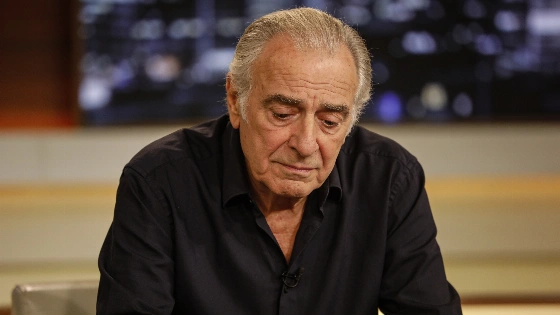
José Luis Gil's daughter has confirmed the actor will not return to 'La que se avecina'. Ongoing effects from his 2021 stroke prevent him from resuming work. The family asks for respect amid persistent speculation.
The possibility of José Luis Gil returning to 'La que se avecina' has been definitively ruled out by his family. Despite ongoing speculation about the actor's health and a potential comeback, his daughter Irene Gil has publicly clarified that the lasting effects of his 2021 stroke make it impossible for him to return to television. This announcement puts an end to months of rumors and highlights the challenges the actor continues to face in his recovery.
José Luis Gil, known for his roles in 'Aquí no hay quien viva' and 'La que se avecina', suffered a severe stroke at the end of 2021. At the time, he was preparing to begin filming the twelfth season of the popular comedy series. The sudden health crisis forced him to leave the show unexpectedly, leaving both colleagues and fans hoping for his eventual return. However, the family now confirms that this is not possible due to irreversible consequences from the stroke.
Irene Gil addressed the situation directly on social media, expressing frustration over the persistent rumors. She emphasized that while the family would love to see José Luis Gil back on set, his current condition does not allow it. She also thanked the creators and team behind 'La que se avecina' for their support and shared how much her father valued his time working with them. Irene highlighted the emotional toll of managing both the reality of her father's health and the ongoing public speculation.
The stroke left José Luis Gil with significant aftereffects, including aphasia, which severely limits his ability to communicate. According to Irene, he is fully aware of his surroundings and wishes to participate, but the condition prevents him from expressing himself as he would like. The family continues to adapt to these challenges, focusing on making daily life as manageable as possible for him.
When the news of his stroke first broke, the family asked for patience and privacy, hoping for improvement. Over time, it became clear that the prognosis was more serious than initially expected. Medical professionals have not been able to provide clear answers about his long-term recovery, leaving the family in a state of uncertainty. Irene has spoken openly about the emotional impact of the situation, describing the initial shock and the ongoing difficulties they face.
Persistent rumors about celebrity health and comebacks are not uncommon in Spain, especially when it comes to beloved figures from television. The Gil family's experience echoes the challenges faced by other public personalities dealing with health crises. For example, recent coverage of personal milestones in the lives of well-known Spaniards, such as the announcement of Paloma Zafrilla and Juan Matute expecting their first child, shows how public interest in private matters can quickly become overwhelming for those involved.
José Luis Gil's case also brings attention to the realities of stroke recovery and the impact of aphasia, a condition that affects thousands of people in Spain each year. Aphasia can result from various types of brain injury, most commonly stroke, and often leads to long-term communication difficulties. While rehabilitation can help some patients regain abilities, progress is unpredictable and depends on the severity of the initial event. The Spanish healthcare system provides support for stroke survivors, but families often bear much of the emotional and practical burden. The Gil family's openness about their experience may help raise awareness about these challenges and the importance of respecting privacy during difficult times.