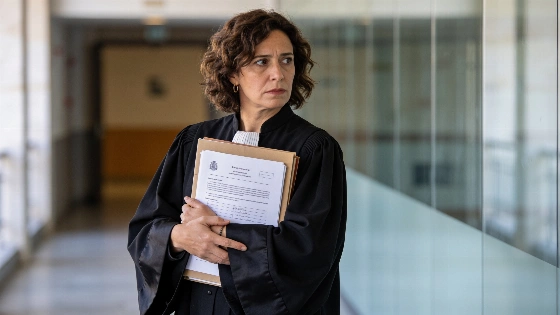
Judge Beatriz Biedma has submitted nearly one hundred pieces of evidence to prove she was targeted by a coordinated campaign involving PSOE-linked figures and Badajoz criminal clans. The operation aimed to remove her from the explosive investigation into the prime minister’s brother.
Beatriz Biedma did not step down quietly. She brought a stack of evidence to court, claiming she was targeted by a campaign meant to push her off the 'hermanísimo' case. That case led to the conviction of David Sánchez Pérez-Castejón, brother of Spain’s prime minister, for abusing his position to land a top job in Badajoz. Several independent reports confirm the case reached court and ended in a conviction for abuse of office. The status of appeals is less clear and varies by source. Official court records are needed for the final word.
Judge Santiago Pedraz now holds the file. The documents describe a steady effort to discredit and intimidate Biedma. On September 28, 2026, Pedraz formally recognized her as a victim in the case over alleged "dirty tricks" tied to Leire Díez. He called her to testify as an aggrieved party on October 8, at least under the defamation article. Reports show Biedma asked to join the process not just as a personal victim, but also for institutional harm. She cited her role as the investigating judge in the Sánchez case.
Biedma's complaint is based on more than 90 videos from the YouTube channel 'Magistrado Anticorrupción TV', where she claims she was publicly discredited and accused of corruption.
At the heart of her evidence are 96 video links from 'Magistrado Anticorrupción TV', a YouTube channel run by ex-judge Luis José Sáenz de Tejada. In these videos, Biedma is insulted and accused of judicial corruption. She calls these attacks criminal defamation. Sáenz de Tejada, who was expelled from the judiciary for gender violence, is named as a main player in the group allegedly assembled by Leire Díez—nicknamed 'the plumber'—to derail the probe into the prime minister’s brother. Press coverage says the Civil Guard’s UCO unit is investigating a network involving Díez, businessman Javier Pérez-Dolset, former CD Badajoz president Joaquín Parra, and Sáenz de Tejada.
The campaign picked up after August 2024. That’s when the WhatsApp group 'Vacaciones y Viajes' appeared. Biedma says the attacks grew harsher. Videos called her 'cowardly', 'condemned for laziness', and accused her of 'serving interests outside justice'. In one video, Sáenz de Tejada claimed to know which school Biedma’s children attended and said he had been to meetings there. The threat moved from online to real life. Multiple sources confirm Judge Pedraz has so far kept the case focused on possible defamation. He has not accepted all the wider claims of pressure described by Biedma.
Biedma’s evidence goes further. She points to direct contact between the group and local criminal clans. Cintia Rocho, known as La Celsa and head of a Badajoz family clan, said in a TV interview that two men—one Sáenz de Tejada, the other a lawyer—came to her with Biedma’s home address and family photos. They offered her a deal: act against Biedma in exchange for judicial favors in her own cases. Rocho said she refused. Her words were blunt: "If they gave me her address, it was not for anything good."
According to several reports from late September, the investigation led by Judge Pedraz is not limited to attacks on Biedma but also examines possible attempts to collect compromising material on judges, prosecutors, and UCO officers involved in cases against the PSOE and the government.
UCO investigators have since questioned several clan members, including La Celsa and El Gitano. They are probing the alleged plot. The operation stayed quiet to avoid making things worse. Press sources say the Civil Guard is also looking into possible harassment of Biedma during her work on the employment case involving the prime minister’s brother in the Badajoz provincial administration. That case ended with a trial and conviction.
Biedma’s written testimony mentions an October 2024 press conference. There, Sáenz de Tejada and ex-football club president Joaquín Parra publicly named local judicial figures. They accused them of retaliating against anyone who challenged their authority. The UCO’s June 2026 report named the group’s core: Díez, Parra, Sáenz de Tejada, and businessman Javier Pérez Dolset. They coordinated through WhatsApp and met in Madrid. Their goal was clear. They wanted Biedma off the case and tried to collect personal, family, and professional details to ruin her reputation. Independent media report that the European Public Prosecutor's Office is also looking into possible misuse of PSOE campaign funds in the Leire Díez case.
One detail stands out. Díez’s personal agenda included the note: "Jueza de Badajoz. La Celsa. Heroína o gitano." Biedma saw this as a reference to known criminal figures in Badajoz. She says this pushed her to report the threats to protect her family.
The investigation has pulled back the curtain on how political games, judicial pressure, and organized crime can collide in Spain’s courts. The tactics—online smears, real-world threats—show how exposed judges can be when they take on powerful interests.
Political influence in Spanish institutions is under the microscope again. For example, a recent investigation covered editorial choices at Spain’s public broadcaster during tense political moments. It shows the wider climate behind these events.
Judge Biedma is set to testify as a victim in October. She has already asked to join the case as a private prosecutor. Her evidence lays out the risks for judges who challenge the system. The court now faces a test. If the facts hold up, this case will show just how far some will go to twist justice—and why defending judicial independence matters more than ever.