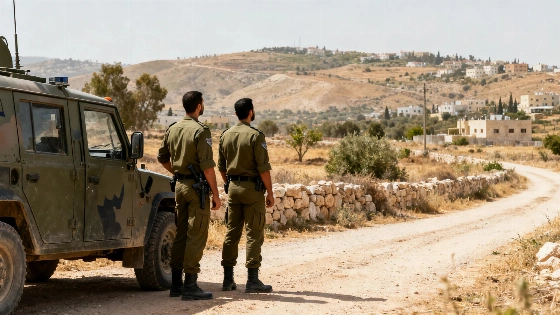
Israel and Hezbollah Continue Exchanging Strikes Despite Talks. New exchanges of strikes between Israel and Hezbollah have been reported in Lebanon. Ceasefire negotiations in Washington have yielded no results. The situation is further complicated by Iran's stance and the refusal of both sides to compromise.
Tension persists in Lebanon: despite another round of talks in Washington, Israel and Hezbollah continue to exchange strikes. Attempts to negotiate a ceasefire between the countries have not led to any real reduction in hostilities. According to available information, neither side is ready to make concessions, which threatens diplomatic efforts to stabilize the region.
Hezbollah, which is backed by Iran, has rejected the conditions for a truce. Israel, in turn, has refused to withdraw its troops from Lebanon. These steps have effectively blocked the ceasefire initiative supported by Washington. As a result, the border situation remains extremely unstable, and the risk of further escalation persists.
Iran has directly linked the possibility of reaching a peace deal with the US to a ceasefire in Lebanon. In recent days, Tehran has indicated it may intervene in the conflict if Israeli strikes continue. This statement has heightened concerns about the conflict expanding beyond Lebanon and Israel.
According to open sources, Hezbollah is considered one of the most influential armed groups in the region and enjoys significant support from Iran. Israel has repeatedly stated the need to contain this organization's influence on its borders. The negotiations in Washington were aimed at finding a compromise, but the lack of progress may lead to further prolongation of the conflict. The situation in Lebanon has traditionally been a cause for concern for European countries, including Spain, as instability in the region may affect security and migration flows in the Mediterranean.