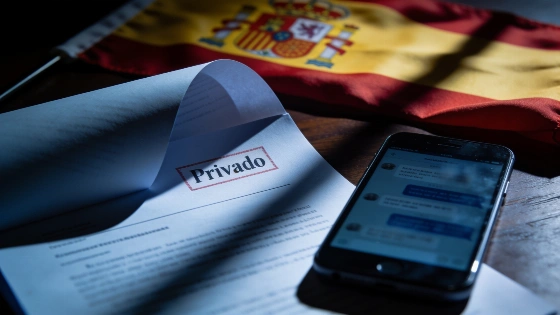
The leak of José Luis Rodríguez Zapatero's agenda and private messages has reignited debate over privacy and information leaks in Spain. The incident highlights a legal gap that leaves personal data vulnerable.
The recent leak of José Luis Rodríguez Zapatero's private agenda and conversations has triggered a new wave of debate in Spain over the handling of confidential information. The exposure of such sensitive data, involving a high-profile political figure, has brought renewed attention to the risks posed by legal gaps that allow private communications to be made public without clear consequences.
This incident has not only put Zapatero at the center of public discussion but also underscored a broader issue: the selective outrage that often follows such leaks. When confidential information surfaces, reactions tend to depend on the political alignment of those affected, rather than on consistent principles of privacy or legality. The Zapatero case has become a focal point because of his significant base of supporters, but similar leaks have occurred repeatedly in Spanish democracy, often without sparking comparable concern.
Public debate has intensified as many question why some leaks provoke widespread indignation while others are met with indifference. The controversy reveals a pattern of double standards, where the seriousness of a leak is judged by who is involved rather than by the act itself. This inconsistency has fueled accusations of hypocrisy and cynicism among both media professionals and the wider public.
Legal experts point out that the current framework in Spain does not always provide clear protection against the unauthorized disclosure of private agendas or messages, especially during ongoing investigations. This legal ambiguity creates opportunities for sensitive information to be leaked and widely disseminated, often with significant impact on public opinion and political dynamics.
Similar tensions over political accountability and the handling of sensitive information have surfaced in other recent Spanish political developments. For example, the ongoing debate about leadership within the PSOE and the pressures facing Pedro Sánchez have also drawn attention to the fragility of political privacy and the potential consequences of leaks, as discussed in recent coverage of calls for Sánchez to step down.
Spain's experience with information leaks highlights the need for clearer legal standards and more consistent public responses. The Zapatero case serves as a reminder that the protection of private data remains a contentious and unresolved issue, with implications for political figures and ordinary citizens alike. In the absence of comprehensive legal safeguards, the risk of further leaks—and the selective outrage that follows—remains high. According to publicly available data, Spain has seen multiple high-profile leaks in recent years, often sparking debate but rarely leading to substantial legal reform. The ongoing controversy suggests that the issue will remain on the national agenda until clearer rules are established.