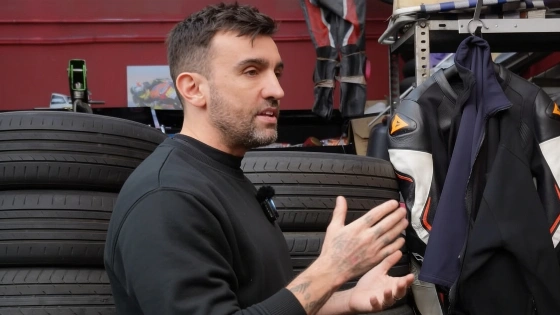
Kike Ferrer, a top low cost mechanic, says Asian cars now beat European brands for reliability and running costs. He warns electric cars won’t take off unless charging is as quick and easy as filling up with fuel.
Ask Kike Ferrer which cars spend the least time in his shop, and he doesn’t hesitate. “The best cars you can buy right now are Asian.” Ferrer runs Spain’s most awarded low cost garage. His shop has been named the country’s top workshop three years in a row. He says the shift is obvious. Japanese and Korean brands have pulled ahead of European models in both quality and reliability. Recent industry reports back him up. Toyota, Lexus, Hyundai, and Kia lead the rankings for reliability and long life in Spain. The Lexus RX hybrid stands out for lasting power. Multiple independent rankings and top auto analysts confirm this trend.
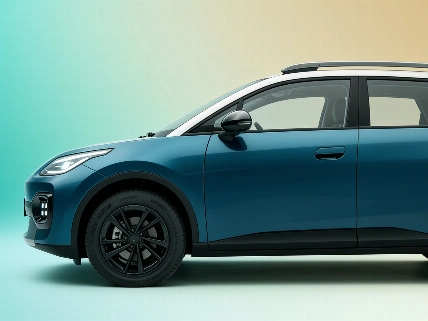
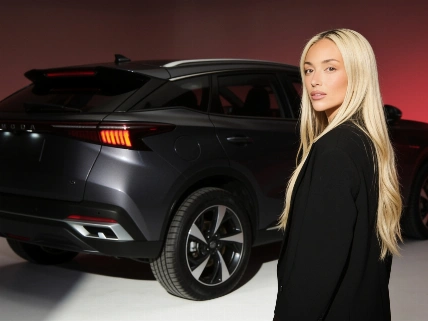
In 2026, Chinese brands like OMODA and JAECOO have rapidly increased their presence in Spain, but consumer trust still hinges on the maturity of their service networks and availability of spare parts.
Trust, Ferrer says, is what really matters in the repair business. “Fixing a car is easy. The hard part is making people understand what’s wrong and why you’re charging what you do.” He believes only full transparency can break the old suspicions that still hang over Spanish garages. Recent sector findings back him up. Spanish car owners now put service transparency and clear warranties first, especially as new brands show up in the market.
Ferrer is blunt about the car market. “The Asian market has already eaten the European one,” he says. Japanese and Korean cars last longer, he argues. But he draws a line at Chinese models. They’re arriving, but spare parts are still a big problem. Independent reviews of the Spanish market say the same. The main issue for many Chinese cars is patchy service networks and not enough official workshops or spare parts. This hits consumer trust and long-term costs.
Recent 2026 market overviews show that Chinese electric vehicles are now among the top sellers in Spain, but debates continue about the adequacy of charging infrastructure and the real cost of ownership. Analysts note that while EV adoption is growing, the pace of charging network expansion and the predictability of charging costs remain key concerns for both consumers and industry experts.
He even sketches out what’s next. “In twenty years, mechanics will wear white coats. They won’t get dirty. It’ll be like an Apple store, no grease, just swapping out electric components. It’ll take years—we won’t see it ourselves.”
Ferrer’s view comes as Spain fills up with new electric models, but real worries about charging and upkeep remain. As reported earlier, even the latest electric SUVs are judged by how they work in daily life, not just by their specs.
For now, Ferrer’s shop keeps thriving on speed, honesty, and a sharp sense of what Spanish drivers really need. His verdict is clear: until electric cars can match the ease and reliability of the best Asian models, the real winners in Spain’s garages will keep coming from Tokyo and Seoul—not from the latest European or Chinese launches.