Madrid's Assembly passes a law counting unborn children in family records. Debate intensifies over the 'ley de nietos', with the PP raising concerns about electoral manipulation. The session closes a turbulent political season.
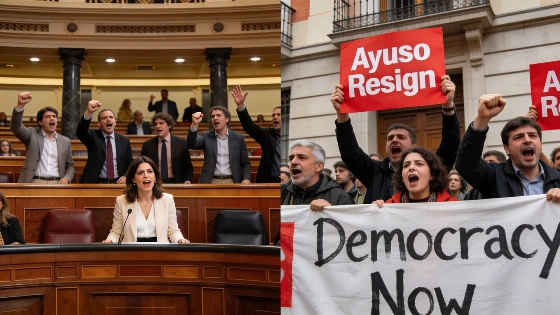
The Madrid Assembly has passed the 'conceived but unborn' law in a special session, marking a significant move by Isabel Díaz Ayuso's government to redefine family status in the region. The new regulation, which was delayed last week due to a procedural error, now recognizes unborn children as family members for administrative purposes from the moment of pregnancy. This measure, central to the Partido Popular's pro-family agenda, has drawn sharp criticism from opposition parties and feminist groups, who argue it politicizes reproductive rights.
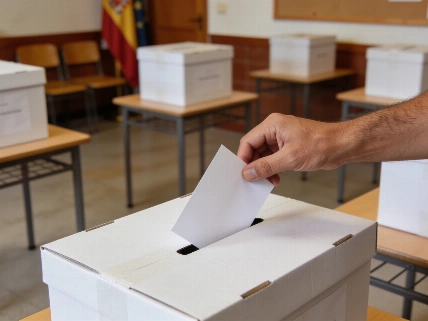
Alongside this legislative push, the session was dominated by renewed controversy over the so-called 'ley de nietos', a provision within the 2022 Ley de Memoria Democrática. This law allows third-generation descendants of Spanish emigrants to apply for Spanish nationality, granting them the right to vote in national elections. The Partido Popular has intensified its rhetoric in recent days, suggesting that the measure could be used to influence future elections, particularly the 2027 general vote. Party leader Alberto Núñez Feijóo described the process as 'electoral engineering', claiming it could create millions of new voters. However, the PP later clarified that it supports granting nationality to descendants, provided the process is rigorous and transparent.
Isabel Díaz Ayuso has further fueled the debate by warning Spanish diplomats and consular staff about the legal risks of granting nationality without strict adherence to the law. She questioned whether the government's intent is to 'nationalize socialists', escalating the political tension around the issue. The opposition and advocacy groups have pushed back, accusing the PP of undermining the legitimacy of overseas voters and stoking fears of electoral fraud without evidence.
Outside the Assembly, early childhood educators staged a protest demanding increased investment in services for children already born, highlighting a parallel debate about resource allocation and social priorities. The session, the last before the summer recess, closes a politically charged period in Madrid, with the next round of legislative activity scheduled for September. Attention is already turning to the upcoming regional elections, as parties position themselves on issues of family policy, citizenship, and electoral integrity.
Spain's approach to citizenship and family policy has evolved significantly in recent years. The Ley de Memoria Democrática was designed to address historical injustices and reconnect descendants of Spanish emigrants with their heritage. The 'ley de nietos' provision has led to a surge in nationality applications from Latin America and other regions with large Spanish diasporas. Meanwhile, the new 'conceived but unborn' law places Madrid at the forefront of administrative recognition for unborn children, a move that could influence similar debates in other autonomous communities. These developments reflect broader tensions in Spanish politics over identity, migration, and the boundaries of electoral participation.