A mass demonstration in Madrid has escalated into an overnight camp at Puerta del Sol, as citizens demand urgent action after the eviction of 87-year-old Maricarmen. Protesters see her case as a breaking point in Spain's housing crisis.
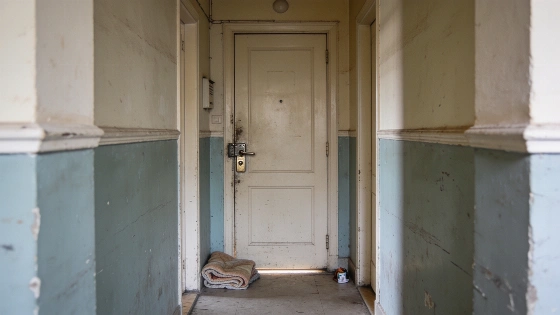
Maricarmen Abascal, 87, lost her home of 71 years. That single eviction pushed Madrid’s housing crisis into the open. By night, Puerta del Sol was packed. Protesters set up camp and refused to leave. Their message was simple. “Either they beat us out, or we stay here.”
This protest didn’t come out of nowhere. Earlier, thousands had already filled Madrid’s main streets to protest government policy. But as darkness fell, a new crowd took over. They wanted one thing: real answers to endless evictions and sky-high rents. The Sindicato de Inquilinas led the march from Cibeles to Congress. Hundreds waited at the gates long before the main group arrived.
According to Reuters, Maricarmen's eviction on September 23, 2026, was the fourth attempt to remove her from her longtime home, finally enforced after previous failed efforts.
Mercedes stood by the steel lions at Congress. She called for unity. “This isn’t about young or old. It’s not left or right. It’s just common sense,” she said. For many, Maricarmen’s story was more than a number. It was the spark. “If this isn’t the click of another 15M, it’s very close,” Mercedes said, thinking back to the protests that shook Spain fifteen years ago.
Others felt the same. “Maricarmen’s case might seem like just one more, but it’s a line in the sand,” said David. He believed the public’s anger could set off a political storm, just like 15M. The march moved slowly. Frustration grew. “There are people here, but there should be more,” one protester said. The crowd spilled past the lead truck’s speakers. Police cleared the Plaza de las Cortes. The Paseo del Prado buzzed with noise and movement.
Juan Aguilar and his friends didn’t mince words. “Housing is the biggest problem we have, and public authorities should invest in it. No one should be making a business out of this.” For them, Maricarmen’s eviction was the last straw. Teresa, Jorge, and Cristian wanted the city to act. They warned that Madrid could turn into “a theme park for tourists” if nothing changed. They wanted the city to stay livable for real people.
Associated Press reported that the September 26 demonstration drew thousands to Madrid's streets, with protesters demanding tenant protections, anti-speculation measures, and a ban on evictions without alternative housing. The event was directly linked by organizers to Maricarmen's case, which had become a national symbol of Spain's housing crisis.
Near Congress, chants hit hard. Protesters called out politicians and officials. “Ayuso, payasa, queremos una casa,” they shouted. Keys jingled in the air. “Llaves arriba, esto es un atraco.” Anger spread to the government and police. “Que lo vengan a ver: esto no es un Gobierno, son los rentistas en el poder.” Another chant cut deeper: “Vergüenza me daría ser Policía.”
“There are many Maricarmens. That’s what we’re seeing these days,” said a woman who often joins protests for public health and housing. She saw the eviction as part of a bigger loss. “Every time someone loses a right, like this woman and her lifelong home, we all lose ground.”
Left-wing politicians showed up. Irene Montero and Ione Belarra joined the crowd. Both demanded the government take back “650,000 homes currently held by vulture funds.” Belarra said, “We cannot allow homes to be in the hands of vulture funds and tourist rentals while we lack a real public housing stock.” She promised to keep up the pressure for a strong decree. But she warned, “No decree alone will fix this.” Montero accused the government of making deals with Junts while ignoring people fighting for housing rights. “This time, the bitter pill must be for landlords and speculators. Houses are for living in.”
Maricarmen spoke from her hospital bed. She sent a message to Prime Minister Sánchez. She urged the Council of Ministers to approve a decree. She called it “the first step to end the system” that let her lose her home. “I want what happened to me to prevent it from happening to others. I want people to fight and for the laws that allowed my eviction to change,” she said in a video shared by the Sindicato de Inquilinas.
Madrid’s streets are now a battleground. The fight is over the city’s future. Past protests split along political lines, as reported earlier. This time, the housing protest brought people together. They want one thing: dignity and security in their own homes.
This protest is different. The crowd at Sol won’t leave. The housing crisis is now front and center. If leaders don’t act, the pressure will only grow. The voices in the street won’t go quiet. Madrid has sent a warning. The days of waiting are over. The fight for housing rights is here, and it’s not backing down.