Spain has issued its first-ever national permit for level 4 autonomous passenger vehicles. Uber, WeRide, and AVOMO are gearing up for robotaxi trials in Madrid, while Waymo launches a new Spanish subsidiary.
Madrid is about to see a major shift in how people get around. Spain’s traffic authority, the DGT, has handed out the country’s first national permit for level 4 autonomous passenger vehicles. This green light lets Uber, WeRide, and AVOMO start rolling out robotaxis on public roads in the capital region. But for now, the permit only covers pilot trials. Regular passengers still can’t order a driverless Uber as part of daily service.
This isn’t just talk anymore. After years of speculation, the industry is finally moving. The first commercial robotaxi rides could happen before the end of 2026. Still, that date is a goal, not a promise. Industry sources stress that a full launch depends on meeting more safety, regulatory, and operational hurdles.
The DGT-assigned registration number FVA-02/2026 is cited in several reports as official confirmation of the pilot project’s existence.
Madrid’s new role
The timing isn’t random. Madrid is quickly becoming a key testing ground for robotaxis in Europe. The regional government has announced a pilot for autonomous cars and taxis, set to start before the year ends in places like Alcobendas and central Madrid. This two-year program will put the technology through its paces in real city conditions. Software developers, fleet operators, VTC companies, and taxi sector representatives are all involved, according to official statements from regional authorities.
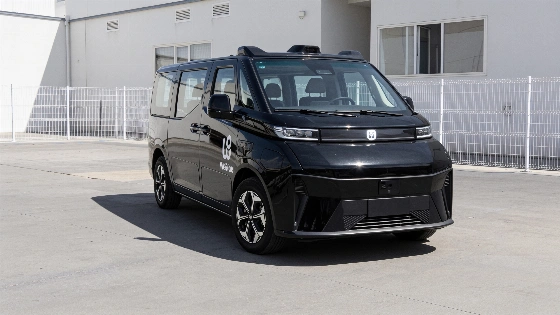
With the DGT’s approval, Uber, WeRide, and AVOMO can now map city streets, check routes, and make sure both vehicles and infrastructure are ready for live trials. The first fleet will include 20 WeRide GXR vehicles. These cars will serve high-demand transport zones across the region, as outlined in several independent project summaries.
Uber’s global head of Autonomous Mobility and Delivery, Sarfraz Maredia, called the permit “an important milestone in moving autonomous mobility from planning to real-world implementation.” Jennifer Li, WeRide’s CFO and head of international operations, described Madrid as a “key gateway” for the company’s European expansion. She noted this is WeRide’s ninth global autonomous driving permit and its first national authorization in the EU.
Waymo has established a dedicated Spanish subsidiary, Waymo Iberia SL, in Madrid, which several sources link to the company’s preparations for European expansion. The creation of this entity positions Madrid as a significant hub for future autonomous mobility services in Spain and beyond.
How the rollout will work
Even with this regulatory breakthrough, passengers won’t be riding alone just yet. Each car will have a specialist on board at first. Their job: monitor the system, collect data on routes, and watch how the vehicles handle city traffic. Uber hasn’t set a date for removing these human supervisors. The switch to fully driverless rides will depend on how these early tests go, as official statements and industry analyses point out.
The vehicles are classified as level 4 autonomous. That means they can handle all driving tasks, but only within certain conditions and areas. They’re not ready for every road or all weather. Level 5, which would allow that, is still out of reach.
Global alliances and ambitions
This project shows a new way of working together in mobility. Uber isn’t building the autonomous tech itself. Instead, it’s using WeRide’s expertise and GXR vehicles. AVOMO, part of Moove Cars, will run the fleet. AVOMO already manages hundreds of autonomous vehicles in US cities like Austin and Atlanta.
Madrid will be the first European city where Uber and WeRide launch a joint deployment. But both companies have bigger plans. They want to bring autonomous fleets to 15 cities and put tens of thousands of vehicles on the road worldwide. For Uber, Spain joins other European markets where it has tested similar services, including London and Zagreb.
As the industry pushes to change city transport, Madrid’s move stands out. European cities are considering new limits on traditional vehicles, as reported earlier. That makes the timing of this autonomous push especially important.
Spain’s decision to let level 4 autonomous vehicles on its streets is a big step for the country and for Europe. With global players like Waymo, Uber, and WeRide now invested in Madrid, the city is set to become a testing ground for the future of driverless mobility. The coming months will show if these pilot programs can deliver. For now, the foundation is in place for a shift that could change how Spaniards move through their cities.