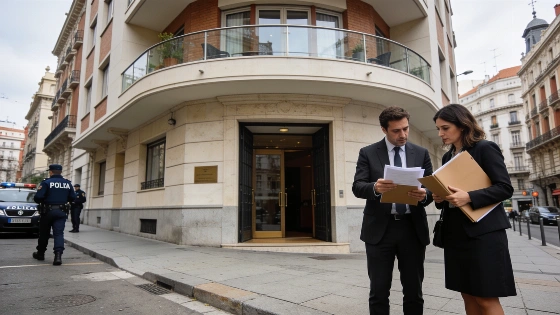
The PSOE has demanded an urgent session of the Assembly’s Permanent Deputation to address the regional government’s purchase of a high-end penthouse in Chamberí. The controversy erupted after EL PAÍS reported that the Community of Madrid, through its public company Planifica Madrid, had bought the property at 35 Paseo del General Martínez Campos on April 14, 2026. The purchase, for approximately €6.3 million, became public in late July after the transaction appeared in property records and journalists sought explanations from regional authorities.
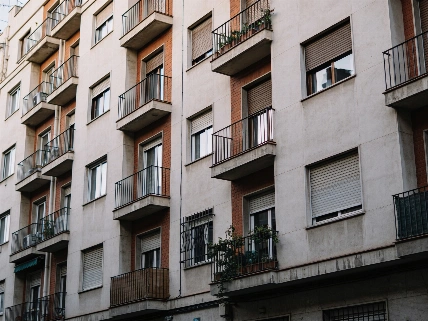
The apartment is on the building’s ninth floor. Coverage has described it as a 485-square-metre penthouse, while cadastral records give an area of 481 square metres: 382 square metres attributed to the dwelling and 99 to common elements or terrace-related space. The cadastral description classifies it as a residential penthouse. The regional government said it bought the property as alternative premises during planned rehabilitation works at the Real Casa de Correos, the seat of the regional executive. It could accommodate presidential or government offices during that period.
Socialist representatives have sharply criticized the operation, calling it a “sham” and insisting that parliamentary initiatives seeking transparency be prioritized. They are requesting public documents, including the justification report for the purchase, and argue that the Assembly should examine the decision and its supporting paperwork.
Mar Espinar, the PSOE spokesperson in the Assembly, accused President Isabel Díaz Ayuso of misleading the public and using public funds to shield herself from scrutiny. Espinar said the government’s explanations have been inconsistent, pointing to the acquisition of a summer residence in Rascafría and now a luxury property in Madrid. She called on Ayuso to clarify the reasons for the purchase and the related tender for renovation works at the Real Casa de Correos, which the regional government says made alternative premises necessary.
Espinar also alleged that the president had contradicted herself and continued to avoid the truth despite mounting public pressure. The PSOE’s demand for an extraordinary Assembly session aims to press the government to answer questions that the opposition says remain unanswered. This parliamentary initiative is separate from the accounting proceedings before Spain’s Tribunal de Cuentas.
The dispute has also prompted PSOE-M and Más Madrid to seek scrutiny of whether the purchase may have harmed public funds. The PSOE’s request names Pedro Corbalán in connection with possible accounting responsibility; Más Madrid has argued that the transaction could involve damage to public money. The regional government, in turn, has asked the Tribunal de Cuentas to close the review. Those proceedings concern potential public-finance accountability, while the Assembly demand seeks political explanations and access to purchase documents.
After the purchase became controversial, Planifica Madrid put the penthouse up for sale. The first public sale process reportedly set a price of about €6.69 million; the later permanent offer price was listed at €6,649,201. A second sale process ended on October 21 without an offer. The property remains unsold and is now available through an open-ended public offer, which Planifica Madrid can withdraw or conclude by awarding the property to a buyer. These are asking prices, distinct from the approximately €6.3 million reported purchase cost.
The Chamberí penthouse case has added to scrutiny of the Ayuso administration’s property dealings and drawn attention from other political figures. Cayetana Álvarez de Toledo raised concerns about the broader political climate and the penthouse controversy in a recent public intervention. The PSOE’s latest move signals that debate over transparency and the use of public resources in Madrid is far from over.
The Assembly’s Permanent Deputation handles urgent parliamentary matters when the legislature is not in full session. Chamberí, an affluent residential district, has become a focal point in the dispute. The property remains unsold after two sale attempts, and the accounting review is unresolved. The case has widened from questions about the original purchase to scrutiny of how the regional government is managing the asset.