Madrid is set to open the new Castellana tunnel this December, introducing artificial intelligence to monitor traffic, detect incidents, and control emissions. The project aims to transform mobility in one of the city’s busiest corridors.
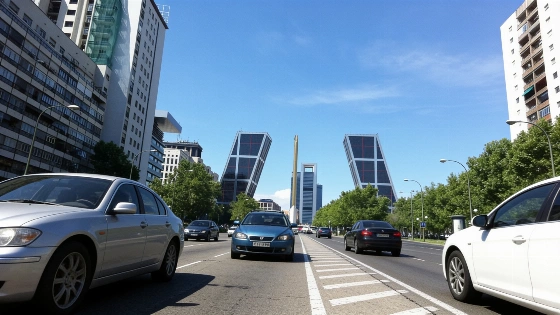
The 675-meter Castellana tunnel, now nearing completion beneath one of Madrid’s main thoroughfares, is poised to become a benchmark for smart urban infrastructure. With excavation finished and both ends of the tunnel exposed to daylight, the project is on track to open for traffic in December, as originally scheduled by the city council.
Unlike previous projects, the Castellana tunnel is designed with two levels to minimize disruption to existing trees and preserve as much green space as possible. The main section will feature three lanes in each direction, not including additional access points and exits. A future extension is planned to connect the tunnel with Madrid Nuevo Norte and the Begoña neighborhood, further integrating the city’s transport network.
AI-Powered Traffic Management
What sets this tunnel apart is its advanced technology. The Castellana tunnel will be equipped with artificial intelligence systems capable of detecting incidents in real time, identifying vehicles, monitoring speeds, and tracking air quality. These systems will automatically adjust ventilation and other parameters to optimize safety and efficiency, offering a significant upgrade over older tunnels like those beneath Madrid Río.
According to 20 Minutos, the AI will also analyze traffic patterns and emissions, allowing for dynamic management of the underground roadway. This approach is expected to reduce congestion and improve response times to any incidents, while also supporting the city’s environmental goals.
Transforming Urban Space
Above ground, the project is reshaping the area with new gardens, pergolas, and a large fountain, creating a 70,000-square-meter public space that will link the La Paz hospital, the city’s five towers, the historic San Cristóbal neighborhood, and the future Madrid Nuevo Norte business district. Once the tunnel opens, only public transport and local traffic will use the surface roads, freeing up space for pedestrians and green areas.
The Castellana tunnel is also intended to serve as the northern anchor of the city’s main north-south axis, reinforcing Madrid’s urban structure and supporting future development in the area.
Context and Outlook
Madrid’s investment in smart infrastructure reflects a broader trend among European cities to use technology for safer, more sustainable mobility. The integration of AI in traffic management is expected to become increasingly common as cities seek to balance growth with environmental and quality-of-life concerns. If the Castellana tunnel delivers on its promise, it could serve as a model for similar projects across Spain and beyond.