Antonio Maíllo urges urgent selection of a candidate and electoral brand for the left. He rejects short-term alliances and points to PSOE’s corruption scandals as a chance for recovery. The debate intensifies ahead of the 2027 elections.
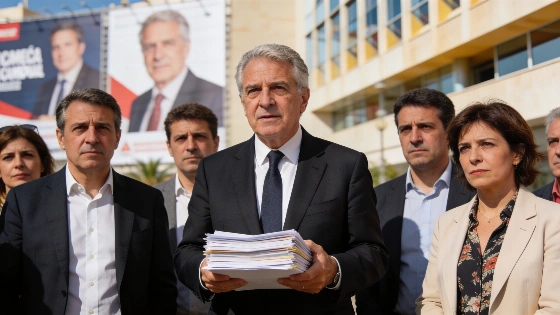
Antonio Maíllo, federal coordinator of Izquierda Unida (IU), has called for immediate action to select both a candidate and a new electoral brand for Spain’s left ahead of the next general elections. In a political report draft set for debate by IU’s leadership this Saturday, Maíllo argues that the left must move quickly to define its leadership and identity if it hopes to capitalize on the current crisis facing the PSOE, which is under pressure from a series of corruption scandals.
Maíllo’s position is clear: he supports building broad, transformative left-wing coalitions but firmly rejects the so-called ‘vía Rufián’—a proposal from ERC’s Gabriel Rufián for a temporary alliance designed solely to maximize votes against the rise of PP and Vox. Instead, Maíllo insists on a deeper, more stable front that can prevent what he describes as an “authoritarian closure” and ensure the left remains a transformative force in Spanish politics.
The urgency, according to Maíllo, stems from the need to present a credible alternative as the PSOE’s standing erodes. He points to the recent indictment of the director of the Guardia Civil, Mercedes González, in the ‘caso Leire’ as the latest blow to the government’s image. Maíllo believes that if the PSOE’s decline continues, there is a real opportunity for the left to regain voters lost in the last general election, provided it can quickly resolve questions of leadership and branding.
He also stresses the importance of integrating the various political forces that joined together for the 23J elections, including Comuns, Más Madrid, and Movimiento Sumar. Maíllo calls for a new, recognizable name for this coalition and urges that agreements be forged not just for national elections, but also for regional and municipal contests. He emphasizes that alliances must be built from the ground up, respecting the diversity of organizations involved.
Maíllo’s stance comes at a time of heightened political tension. This Thursday, the Andalusian parliament approved the investiture of Juan Manuel Moreno Bonilla (PP) after a pact with Vox. As spokesperson for the Por Andalucía coalition, Maíllo criticized the new government for adopting what he described as an ultra-conservative agenda, including climate denial and the dismantling of equality policies. He warned that this development is part of a broader strategy by PP and Vox to take control at the national level, and called for mobilization across regions such as Extremadura, Aragón, Castilla y León, and Andalucía to prevent further setbacks.
The debate over the left’s future is not limited to IU. Other parties, such as Más Madrid, have recently expressed reluctance to join a unified list, highlighting the challenges of building a cohesive front. The situation echoes broader tensions within Spain’s progressive camp, as seen when Junts demanded a change in PSOE leadership to avoid empowering the far right—a move detailed in this recent report.
Spain’s political landscape is entering a period of flux. The left faces the dual challenge of internal fragmentation and the external threat posed by a resurgent right. The outcome of IU’s internal debate, and whether it can forge a unified, recognizable coalition, may prove decisive for the 2027 general elections. The coming months will test the ability of left-wing forces to overcome differences and present a credible alternative to voters disillusioned by recent scandals and shifting alliances.
For context, Spain’s left has historically struggled with fragmentation, often resulting in lost electoral ground to more unified conservative blocs. The emergence of new parties and coalitions in recent years has both energized and complicated the progressive space. As the country approaches another electoral cycle, the ability to present a clear, unified message—and a candidate capable of rallying diverse factions—will be critical. The debate within IU reflects broader questions about the future direction of Spain’s left and its capacity to respond to both internal and external pressures.