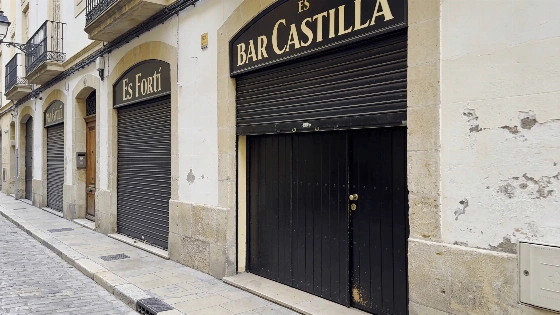
Bar Castilla, a beloved fixture in Palma’s Es Fortí district, has closed after a decade with Enrique Perlado at the helm. The 65-year-old owner, known for his signature torreznos, leaves following a legal dispute over the rented premises. Perlado now faces the challenge of continuing to work in hospitality until retirement.
Bar Castilla, a cornerstone of Palma’s Es Fortí neighborhood, has served its last plate of torreznos. After ten years running the establishment, Enrique Perlado, 65, has been forced to close the doors following a legal dispute with the property owner over the rented space. Despite his age, Perlado cannot yet retire and plans to remain active in the hospitality sector.
The closure marks the end of a decade-long chapter defined by traditional Spanish cooking and a loyal local clientele. Bar Castilla, which began its most recent era in November 2016, had a much longer history—operating for nearly half a century, according to Perlado. Over the past ten years, he managed both the kitchen and the bar, building a reputation for authentic, home-style dishes.
Signature Torreznos and Local Flavor
Bar Castilla became especially renowned for its torreznos de Soria, a dish that drew regulars and newcomers alike. The menu also featured classics such as huevos rotos, morcilla, callos, and manitas, all prepared with a focus on traditional flavors. Perlado notes that even customers from Soria praised his torreznos, admitting they struggled to match his results at home. Achieving the perfect texture and flavor, he explains, requires both skill and experience.
For many in Es Fortí, Bar Castilla was more than just a place to eat—it was a daily ritual. Local workers and residents gathered for breakfast or coffee, forming a community around the bar’s simple, honest food. The closure has left regulars searching for a new spot, with some joking about staging a protest to keep the doors open.
Forced Closure and Personal Toll
The decision to close was not driven by fatigue alone. The bar operated in a rented space, and after a legal dispute, the property owner reclaimed the premises. Perlado says he would have preferred to continue, but the outcome left him with no choice. The physical demands of running the bar—often working fifteen-hour days, much of it alone—had begun to take a toll, making the prospect of a standard eight-hour shift elsewhere seem almost restful by comparison.
Despite the challenges, Perlado remains determined to keep working. He points out that, with Spain’s retirement age set beyond 67, he still has years before he can step back fully. Confident in his abilities and experience, he believes he will find new opportunities in hospitality, noting that demand for skilled workers remains strong. “I may be older, but I work three or four times harder than some younger people,” he says.
Community Loss and Broader Reflections
The closure of Bar Castilla is felt keenly in Es Fortí, a neighborhood where traditional businesses are increasingly rare. Perlado observes that the area is changing, with fewer long-term residents and a diminishing sense of community. For him, leaving the bar means saying goodbye to years of memories and friendships built over a decade of service.
Before departing, Perlado calls for greater support for small business owners and the self-employed. He highlights the mounting challenges and expenses faced by entrepreneurs, urging authorities to pay more attention to their needs. After a decade of long hours and dedication, he leaves Bar Castilla proud of the recognition his torreznos earned, but also aware of the difficulties facing independent businesses in Mallorca.
The end of Bar Castilla not only closes a chapter for Perlado but also signals the loss of another traditional establishment in Es Fortí, where simple, home-cooked food and neighborhood ties once defined daily life.