Defence Minister Margarita Robles refused to applaud Pedro Sánchez’s pledge to publish Ceuta crisis reports. Her gesture exposed internal government divisions. The move comes as scrutiny over the handling of the Ceuta situation intensifies.
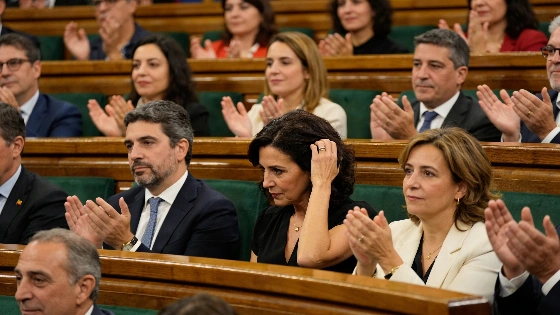
When Pedro Sánchez told Congress that all reports on the Ceuta crisis would be made public, most Socialist deputies applauded. Margarita Robles, the Defence Minister, did not. She turned away, ran a hand through her hair, and stayed silent.
Robles’ refusal to join the ovation was a clear sign of disagreement at the top of government. Her gesture, visible to everyone in the chamber, pointed to growing discomfort with how the executive is handling the Ceuta crisis and the new promise of transparency from Sánchez.
According to AFP and European press reports, one police dossier already seen by journalists blames Moroccan security forces for the failure, describing their conduct as 'complete permissiveness' and stating they did not attempt to disperse crowds at the border.
Sánchez’s announcement was meant to show openness: a dossier with "all the reports" would be released for the media and public to examine. Most Socialist deputies welcomed the move, eager to show unity under pressure. But Robles’ reaction made it clear that not everyone agrees.
Robles has disagreed with the government line on Ceuta before, and this latest gesture deepens questions about unity in the cabinet. The Defence Ministry has sometimes taken a different stance from other ministers, especially as criticism and calls for accountability over the border crisis have grown. This is not the first time the Ceuta situation has exposed divisions at the top. As reported earlier, there have also been tensions between Moncloa and the Royal Family over the official response.
For the public, the promise to publish the Ceuta reports matters. The crisis, which brought a surge of migrants and diplomatic fallout, has become a test of government transparency and discipline. Publishing the reports could clarify who made which decisions and how ministries responded, but Robles’ silent protest suggests not everyone is comfortable with the official story.
Official figures cited in several reports indicate that more than 70,000 people, and in some accounts nearly 80,000 migrants, entered Ceuta at the end of July. The scale of the influx has been central to debates over the adequacy of Spanish and Moroccan border responses and the effectiveness of intelligence warnings prior to the crisis.
In Spanish politics, it is rare for a senior minister to show public dissent. Robles’ refusal to applaud is more than a personal gesture. It signals that real disagreements remain over how the Ceuta crisis has been managed and communicated. With the release of sensitive documents ahead, the government faces more scrutiny—and the divisions inside Sánchez’s cabinet are now out in the open.