A technical report reveals that a small number of faulty modern vehicles are responsible for half of urban pollution, while many older cars remain clean if properly maintained. The findings question the fairness of age-based driving restrictions.
In Spain, a modern car with a broken emissions system can pump out up to 100 times more pollution than the law allows. An older car, if looked after, might run much cleaner than people think. That’s the blunt message from a new OPUS RSE technical report. It lands just as cities across Spain and Europe tighten rules on older cars in low emission zones.
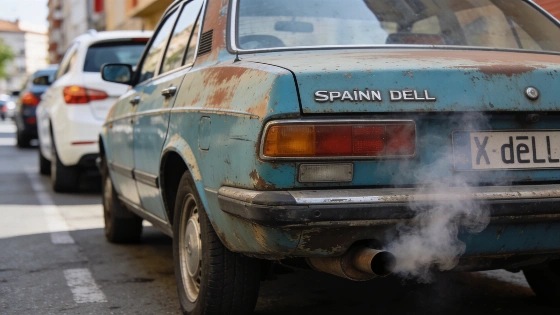
The report, called Medición Remota de las Emisiones del Tráfico Rodado: La Guía Completa, tears down the idea that age is the best way to judge a car’s pollution. The real problem? A tiny group of High-Emitters—less than 2.5% of all vehicles—cause up to half of all traffic pollution in cities. Many of these are not old bangers. They’re often newer cars with broken or tampered emissions controls.
Remote sensing systems in Madrid pilot projects have demonstrated the ability to measure emissions from up to 1,000 vehicles per hour without stopping traffic.
OPUS RSE, which specializes in remote emissions detection, says current rules based on registration date or environmental badges miss the real offenders. COO Javier Buhigas puts it simply: “Teledetección is the most inclusive environmental measurement technology for citizens because it does not discriminate against old cars; it only discriminates against the big polluter.” He warns that today’s rules can block a low-income driver with a well-kept old car from city centers. Meanwhile, a new diesel with a disabled filter might keep its ‘green’ badge and keep polluting.
Remote Sensing Devices (RSD) are the backbone of this new approach. These stations use infrared and ultraviolet beams to check exhaust gases from moving cars in real time. No need to stop traffic. No special equipment in the car. Each car is measured in half a second. The system takes 100 samples as it passes. The tech is certified under ISO/IEC 17025 and the new UNE 82509:2026 standard. That means accuracy and very few false alarms.
OPUS RSE stresses these systems are for diagnosis and traffic studies, not for handing out fines. The goal is to give regulators hard data on what’s really coming out of tailpipes on the street, not just in labs. This move from theory to street-level facts could change how cities fight pollution.
According to the European Commission’s Joint Research Centre, remote sensing is now part of a broader European policy to monitor real-world vehicle emissions, complementing both laboratory and on-road compliance checks. This approach helps cities avoid missing high-polluting vehicles that may not be the oldest on the road, and supports more accurate enforcement of low emission zone regulations.
The report’s findings fit a bigger shift in car policy. The focus is moving from blanket bans to targeting the real polluters. Recent coverage of bold engineering in the car industry shows how new tech is shaking up old ideas about what makes a car clean or dirty.
For Spanish cities, the message is urgent. Instead of punishing drivers just for having an older car, authorities could use remote sensing to spot and fix the small number of vehicles doing the most harm. That would clean up the air fast. It would also be fairer to drivers who look after their cars.
OPUS RSE works with public agencies, transport operators, and research centers like the European Commission’s Joint Research Centre. Their aim is a mobility system built on real emissions data. The full report is on the OPUS RSE website. It’s a reference for policymakers, technicians, and anyone who wants to know how traffic pollution is measured now.
One thing is clear. A car’s age is a poor guide to its real impact on the air. As the debate over low emission zones heats up, the evidence now points to a sharper, data-driven approach. Good maintenance gets rewarded. The true polluters get found. For drivers and city dwellers in Spain, this could change the rules of the road—and the air they breathe.