Morocco has formally asked Spain to repatriate both survivors and deceased migrants after the mass entry into Ceuta. The request includes forensic reports and the return of Moroccan minors. The issue highlights ongoing migration challenges.
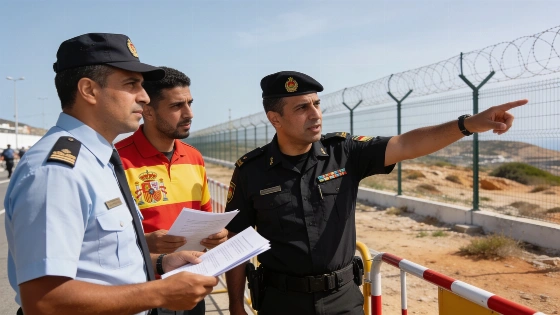
Morocco has called on Spain to return both the survivors and the bodies of migrants who died during the recent mass crossing attempt at the Tarajal border into Ceuta. The demand, voiced by Moroccan Justice Minister Abdellatif Ouahbi, comes amid heightened diplomatic tension following the events of July 30, when thousands attempted to enter the Spanish enclave, resulting in dozens of deaths.
Ouahbi, speaking to Al Arabiya, insisted that any repatriation of deceased Moroccan nationals must be accompanied by forensic documentation and the identification of the victims. He also linked the acceptance of the bodies to the return of Moroccan minors currently in Ceuta, underlining that Morocco does not distinguish between the living and the dead in its request for repatriation.
The minister criticized the lack of information from Spanish authorities regarding the number of fatalities and stressed that unidentified bodies cannot be transferred without prior agreement and full disclosure. According to Ouahbi, Spain has yet to provide details on the total number of deaths, complicating the process of returning the remains to Morocco.
In Ceuta, 18 migrants were buried in the Muslim cemetery last Friday, three weeks after the border crisis that saw more than 70,000 people enter the city from Morocco. The graves have been marked with numbers to allow for future identification if families come forward. Spanish authorities continue to work on identifying the victims, but progress remains slow. The deceased are among the 82 bodies found after the mass entry at the end of July.
Ouahbi rejected suggestions that Morocco should collect DNA samples from families of missing persons, arguing that it is Spain's responsibility to provide medical files and photographs to confirm the identities of the deceased. He emphasized that no bodies will be accepted without a comprehensive bilateral agreement outlining procedures and responsibilities.
The minister also pointed to Spain's current approach to migration, suggesting that as long as Spain continues to accept migrants, it will be difficult for Morocco to effectively prevent further crossings. This stance reflects ongoing debates about migration policy and border management between the two countries. The situation in Ceuta has previously sparked political disputes in Spain, as seen when government handling of the crisis drew criticism and calls for royal intervention, as reported in coverage of the Ceuta crisis.
Ceuta, a Spanish autonomous city on the North African coast, has long been a focal point for migration from Morocco and sub-Saharan Africa. The recent crisis has intensified scrutiny of both countries' migration policies and the humanitarian challenges at the border. The demand for a formal agreement and the insistence on detailed identification procedures highlight the complexity of managing such incidents, especially when large numbers of people are involved and identification is difficult. The ongoing identification process and the diplomatic negotiations underscore the need for coordinated action to address both immediate humanitarian needs and long-term migration management.