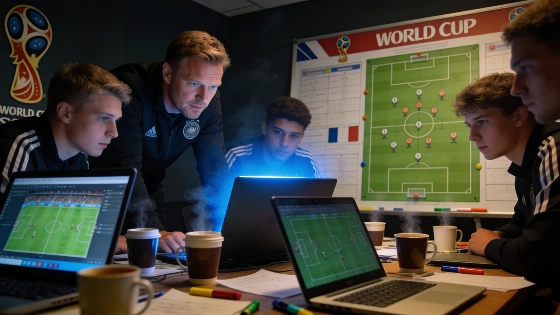
Germany's coaching team must prepare for a World Cup knockout match with just 48 hours to study their opponent. The late group stage schedule leaves Julian Nagelsmann and his staff working through the night.
Germany's national team, led by Julian Nagelsmann, is confronting a demanding schedule at the 2026 World Cup after securing first place in Group E. With their final group match against Ecuador still to play, Germany will not know their opponent for the round of 16 until the last group games conclude on Saturday. The knockout fixture is set for Monday night in Boston, leaving the coaching staff with less than two days to analyze and prepare for their next rival.
The compressed timeline has drawn criticism from Nagelsmann, who described the situation as far from ideal for a group winner. He pointed out that the team will have to work intensively overnight on Saturday to be ready for the Monday match, highlighting the strain such a schedule places on preparation. According to Nagelsmann, the staff has already begun preliminary analysis, dividing up scouting duties among assistants to cover all possible opponents and review recent matches of likely adversaries.
Despite the challenge, Nagelsmann noted that the youth of his coaching team allows them to handle the demands of overnight work. The staff's proactive approach aims to ensure that Germany can quickly adapt their strategy once their opponent is confirmed. The situation underscores the logistical hurdles teams face in major tournaments, where fixture congestion and late scheduling can impact even the top seeds.
For context, the 2026 World Cup features an expanded format, increasing the number of teams and matches, which has led to tighter turnarounds between group and knockout stages. Boston, the venue for Germany's upcoming match, is hosting several key fixtures in this tournament. The short preparation window is not unique to Germany, but the issue has become more visible as top teams navigate the demands of the new schedule. Efficient staff coordination and rapid tactical adjustments are now critical for success in the latter stages of the competition.