Nissan is shaking up its European game plan, bringing a wave of electric cars and new software to Spain. The company is rolling out fresh models and tech, aiming to stay ahead as rivals and new rules change the market.
Nissan is about to flood Spain with new electric cars. The company is speeding up its shift, bringing in a new lineup and a sharp turn in technology. This isn’t just about selling more EVs. Nissan is reworking how it thinks about cars, putting its money on artificial intelligence, smarter software, and a tighter product range to claw back ground in Europe’s tough car market.
Two plans drive this overhaul: Re:Nissan and Nissan Vision. Re:Nissan, which started in 2025, is all about cutting costs and running lean. Nissan says it has already saved 315,000 million yen in fixed and variable costs, with a goal of 500,000 million yen by 2026. This discipline is meant to free up cash for the next wave of electric and smart vehicles. Spain is a key target for these investments.
Nissan has confirmed the Kicks e-Power as a new key SUV for Europe, with production set in Sunderland, UK, following a £170 million investment in the plant.
Nissan Vision is the roadmap for the brand’s tech leap. The focus is shifting from hardware to software, connectivity, and AI. The plan stands on three pillars: AI Drive, which pushes driver assistance and self-driving systems like ProPilot; AI Partner, which turns the car into a digital sidekick that fits into the user’s daily life; and end-to-end autonomous driving, aiming to bring these features to more models. Nissan’s motto, “Mobility Intelligence for Everyday Life,” shows it wants high-tech features to be useful and easy for daily driving.
Electric power is at the center, but Nissan doesn’t treat Europe as one market. The company points out the gap: Norway’s electric car sales are close to 97%, while Spain is only around 10%. Nissan’s answer is “Electrification as Choice.” It offers different tech for each country’s pace. The e-Power system, which uses an electric motor to drive the wheels but lets drivers keep their usual refueling habits, is a big part of this. Leading car magazines say the Kicks for Europe will launch with the third generation of e-Power in 2025. This fits Nissan’s plan to offer both full electric and advanced hybrid options, depending on how fast each market is moving.
Nissan wants its electric cars to do more than just move people. With V2X, V2G, and V2H tech, car batteries can store power and send it back to homes or the grid. The Leaf, for example, comes with batteries from 52 to 75 kWh. Nissan says that’s enough to cover a big chunk of a typical home’s yearly use. The company ties this to circular economy goals and giving batteries a second life, but says new rules are needed before these features can really take off.
Independent reports confirm that Nissan continues to maintain several electrified models in Europe and Spain, including Micra, Leaf, Ariya, and Townstar, while preparing to launch the new PIXO and Kicks. This evolution of the lineup counters the narrative of a shrinking range, showing a shift rather than a withdrawal from the market.
Nissan is cutting its global lineup from 56 to 45 models to focus on cars that matter most. But for Spain, the choice of electric cars is growing, not shrinking. The new Micra and Leaf are coming, along with updated Ariya and X-Trail models. The third-generation Juke, now fully electric, and the new Pixo for the A segment are also on the way. Nissan’s product groups—Heartbeat, Core, Growth, and Partner—organize this new lineup. The Kicks e-Power hybrid will roll out from Sunderland after a 170 million pound investment. Industry outlets report that building the Kicks in the UK shows Nissan’s commitment to making cars in Europe and keeping its supply chain strong.
Racing isn’t just for show. Nissan’s Formula E team is a test lab for electric tech. The brand just celebrated a drivers’ world title with Oliver Rowland. What they learn on the track goes straight into the cars people buy, especially as the Gen4 race cars push the limits of efficiency and energy use. This isn’t just talk. Nissan’s electric drivetrains have changed because of what they learn in racing.
Spain is Nissan’s second-biggest market in Europe and ninth worldwide. The company sold 38,254 cars in Spain in 2025, up 10%. Electrified models now make up 81% of Nissan’s passenger car registrations in the country. But Nissan is clear about the hurdles: old cars on the road, dependence on incentives, and unclear rules all slow things down. The company says progress depends on steady rules, a national agreement, V2X tech, and better charging networks. Nissan is working with energy companies and charging operators like Repsol, Zunder, and Iberdrola. These partnerships, under the Go Electric program, offer perks and services for EV buyers. Leading Spanish car media say Nissan expects the market to grow by 7–8% in 2026, but warns that this depends on more stable rules.
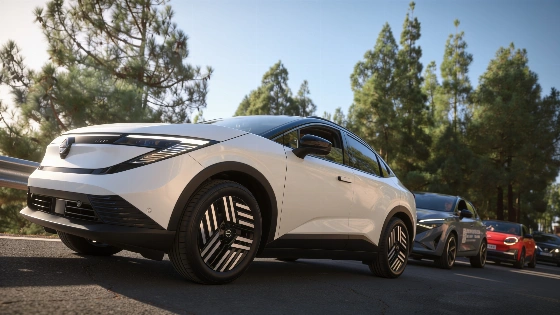
Nissan’s strategy got a real-world test in Gran Canaria. Four electric models took on city streets, mountain roads, and scenic drives. The new Micra, redesigned for Europe, aims at drivers who want both efficiency and a sporty feel. The Leaf, now a crossover, mixes aerodynamics with daily use, though its weight shows on steep hills. The Ariya, Nissan’s top model, brings comfort, tech, and space for families, but its size makes it less agile in tight spots. The Townstar EV, a van for businesses and city deliveries, shows the limits of current battery range, especially going uphill, even though it recovers energy on the way down.
As rivals ramp up their own electric launches, Nissan’s focus on software, AI, and flexible electrification is a direct answer to new rules and market shifts. The approach is similar to what’s seen in other launches, like the GLB 250 Plus, where easy use and smart tech matter as much as raw power. For Spain, the big question is whether Nissan’s tailored plan can beat slow infrastructure growth and rule changes. If Nissan keeps up its current pace, Spanish drivers will soon have more electric choices than ever—backed by tech that aims to make the car a real partner in daily life, not just a way to get around.