Spanish bars and supermarkets are not required to charge a 10-cent deposit on bottles or cans yet. The EU’s new packaging regulation takes effect in August 2026, but Spain’s deposit system will only launch after further national steps. Here’s what actually changes—and when.
Despite widespread rumors, Spanish bars, restaurants, and supermarkets are not currently required to add a 10-cent deposit to every bottle or can sold. The confusion stems from the upcoming EU Regulation (EU) 2025/40 on packaging and packaging waste, which becomes generally applicable across Europe on August 12, 2026. However, this date does not trigger the start of mandatory deposits in Spain.
The Spanish Ministry for Ecological Transition has clarified that while the regulation sets a broad framework, many of its obligations—including the deposit system—will only come into force later. Spain is under pressure to introduce a national Deposit, Return and Refund System (SDDR) because it failed to meet the EU’s target for separate collection of plastic bottles: only 42.3% were collected in 2023, far below the 70% goal.
Deposit System Not Automatic
Under Spain’s Royal Decree 1055/2022, producers have two years from the official notification of non-compliance to implement the SDDR. The amount of the deposit will be set by the responsible systems, but must be at least 10 cents per unit. This minimum is a Spanish legal requirement, not a direct EU mandate, and the system will cover certain plastic bottles, cans, and beverage cartons. The actual launch date depends on when Spain formally notifies producers and completes the necessary legal steps.
What Changes in August 2026?
From August 12, 2026, the EU regulation introduces some immediate changes, such as restrictions on certain PFAS chemicals in food-contact packaging. However, most obligations—including harmonized labeling and ambitious reuse targets—are delayed until 2027, 2028, or even 2030. Until Spain updates its own laws, the EU regulation and Royal Decree 1055/2022 will coexist where their provisions align.
For example, the ban on single-use plastic sachets and containers in hospitality—like sugar packets and sauce portions—will not take effect until January 1, 2030. The regulation allows some exceptions, such as packaging for takeaway food or for use in hospitals and care facilities, as detailed in Annex V.
How the Deposit Will Work
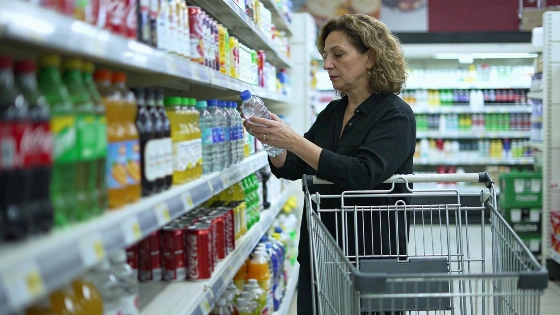
Once the SDDR is operational, retailers will add the deposit to the price of eligible containers. Consumers will be able to reclaim this amount by returning the empty packaging to designated collection points, which may include shops, dedicated centers, or other authorized locations. Small shops with less than 120 square meters of sales space may be subject to special rules.
The EU regulation also allows member states to exempt certain containers opened and consumed on-site in hospitality venues from the deposit, provided the empty packaging remains in the establishment. By 2029, Spain must achieve a 90% separate collection rate for specific beverage containers, aligning its system with EU targets. For more on how major retailers are responding, see this report on Mercadona’s approach to the deposit scheme.
Looking Ahead
While the EU’s new rules set a clear direction, the practical impact for Spanish consumers and businesses will unfold gradually. The timeline for the deposit system depends on national implementation, and many key changes—such as bans on single-use items and new labeling requirements—are still several years away. For now, shoppers will not see a 10-cent charge added to every bottle or can at the checkout.