Prince Sverre Magnus of Norway has started university in Lisbon, following a path similar to Spain’s infanta Sofía. A simple mistake—calling Sofía 'princess' instead of 'infanta'—has thrown a spotlight on the unique ways European royals are titled.
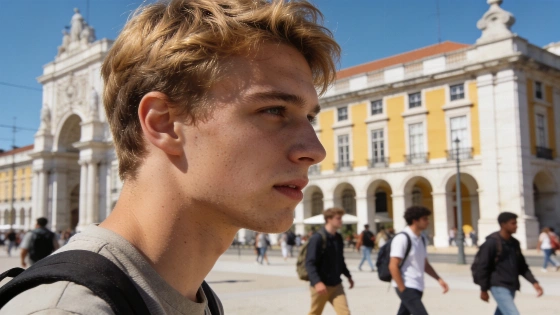
Prince Sverre Magnus of Norway landed in Lisbon to begin his Business Management studies. He didn’t just step into a new city. He walked straight into the world of royal protocol, a place where small details matter. Sverre Magnus, 20, is the second son of King Haakon and Queen Mette-Marit. He quickly found himself at the center of a small but telling moment that caught the eye of royal watchers across Europe.
The moment came during a chat with Norwegian outlet Dagbladet. Sverre Magnus, now a student at Forward College, was asked about life in Portugal and whether other royals were around. He answered without pause, calling Sofía de Borbón 'prinsesse'—the Norwegian word for princess—instead of her correct Spanish title, 'infanta.' It was a simple slip, but it opened up a rarely discussed gap in how royal children are titled in Europe.
Forward College students follow a unique three-year academic path, studying in Lisbon, Paris, and Berlin as part of their degree program.
Infanta Sofía is the daughter of King Felipe VI and Queen Letizia of Spain. She’s in her second year at Forward College, but this year she’s based in Paris, not Lisbon. The college rotates students between Lisbon, Paris, and Berlin. Sofía studies Political Science and International Relations. Sverre Magnus has just started Business Management. Their paths don’t cross for now, but the college has become a quiet meeting point for Europe’s next generation of royals.
This mix-up over titles is more than just a language issue. In Spain, 'infanta' is the title for royal children who aren’t the direct heir. This is set by Real Decreto 1368/1987. Sofía, as the younger daughter, is an infanta. Her sister Leonor is the Princess of Asturias and the heir. In most other European monarchies, like Norway, all royal children are called prince or princess. The Spanish system stands apart.
Sverre Magnus seems to be settling into Lisbon life. He’s been seen in the Bairro Alto district. He told Dagbladet, "Yes, I am really looking forward to living in Lisbon," and confirmed that classes have started. When asked if classmates found it odd to have a prince among them, he said, "No, I don’t think so. They had Princess Sofía of Spain here, so it’s not that strange. The atmosphere is very relaxed."
According to several European media reports, the tuition fee for European students at Forward College for the 2026–2027 academic year is set at 21,850 euros, with an additional annual exam fee of around 500 euros for University of London programs linked to LSE.
His move to Portugal has raised questions about whether he’ll attend upcoming family events, like the funeral of his great-aunt Princess Astrid after King Harald’s recent death. The Norwegian royal household says only the immediate family will attend officially. Sverre Magnus’s role is informal now, showing his shift from royal duties to student life.
This episode, small as it is, shows how even a single word—a title—can reveal the deep differences in royal tradition across Europe. For young royals, learning these details is part of life, especially as they move into international settings where protocol and identity quietly mix. One word was enough to draw attention, a reminder that for Europe’s royal families, every gesture and phrase can matter far beyond the classroom.