A major study finds that cars over 15 years old now cause 43 percent of Spain’s vehicle emissions. Slow fleet renewal and low scrappage rates are making the problem worse for both the environment and the economy.
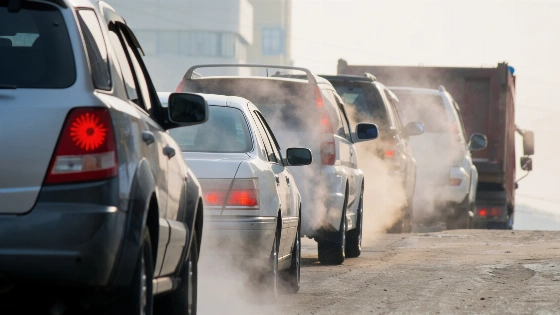
Cars older than 15 years now account for 43 percent of all vehicle emissions in Spain. That’s the finding from a new Solera analysis, which puts a hard number on how much pollution comes from the country’s aging fleet. Spain’s old cars aren’t just a leftover from the past—they’re a big part of today’s pollution problem, and the country is falling behind most of Europe.
Solera’s report, "La nostalgia y la posventa," spells out how fast the problem has grown. Ten years ago, only 26 percent of cars were over 15 years old. Now it’s 47 percent. Only Greece, Romania, Poland, and the Czech Republic have more old cars on the road. In places like Luxembourg and Austria, most cars are under 10 years old. Official and industry data show that by 2025, the average passenger car in Spain will be about 14.6 years old. Out of more than 37 million registered vehicles, around 29 million are older than 9 years.
A study of over 22,000 scrappage requests in Spain found that nearly 67% of cars sent for dismantling were originally registered between 2000 and 2009, with an average age of 19.2 years.
Why do so many old cars stay on Spanish roads? For many, it comes down to money. Newer hybrid or electric cars are out of reach for a lot of drivers. Some people keep their cars running with regular repairs or just prefer to stick with what they know. But Solera points to a bigger problem: Spain’s scrappage rate is too low. Not enough old cars are taken off the road to balance out new registrations. Each year, about 300,000 more vehicles are added to the fleet. Independent data backs this up. Even though more cars are being scrapped, it’s not enough to keep up with the number of new cars, so the fleet keeps getting older and the share of the oldest cars keeps growing.
José Luis Gata, Business Development Manager at Solera, says owners are holding onto their cars longer and putting off trips to the scrapyard. He says Spain needs urgent policies to get the oldest, dirtiest cars off the road and replaced with cleaner models.
Environmental labels have made more people aware of the problem, but Solera’s numbers show that current efforts aren’t enough. Old cars don’t just pollute more. They also bring social and economic problems. Most get only basic repairs to stay on the road, don’t bring much business to repair shops, and are usually covered by the cheapest insurance.
Spain is already moving toward stricter urban restrictions: according to reports on current and planned low-emission zones, more cities are expanding bans for vehicles without environmental labels, and discussions are underway about the next wave of restrictions for B- and later C-class cars.
The technology gap is growing. Older cars don’t have modern emissions controls or fuel-saving features. They use more fuel and put out more pollution. The problem gets worse because these cars are likely to stay on the road for years, since Spain’s switch to electric vehicles is moving slowly. Industry experts say the government’s new Sustainable Mobility Law now requires a plan to boost sales of low- and zero-emission cars and to encourage people to voluntarily scrap their old vehicles.
Even with Chinese carmakers gaining ground in Europe, Solera’s research shows that eight out of ten cars in Spain are still European brands. Chinese models make up just 0.7 percent of the fleet. The fact that so many old European cars are still on the road shows how deep the problem runs.
Electric car sales are rising, but most Spanish drivers still use cars that don’t meet the latest efficiency standards. That’s why, even as more people talk about sustainable mobility and the government offers more incentives, emissions from transport are still tied to the country’s aging fleet.
The problem isn’t just about emissions. As a recent analysis points out, many drivers have outdated knowledge and habits, which makes it even harder to modernize Spain’s roads and cut risks.
Spain’s struggle to renew its car fleet is now a key test for its environmental goals. Without a strong push to get the oldest cars off the road, the country could end up stuck with rising emissions and missed chances for cleaner, safer transport. The numbers are clear: the real obstacle isn’t just technology. It’s also about culture and economics, and it will take more than just incentives and labels to fix it.