Omoda’s electric SUV gets a much-needed interior overhaul and sharper exterior, aiming to fix its biggest weaknesses. The updated Omoda 5 EV is set to challenge European competitors as it prepares for local production in Spain.
Omoda has responded to criticism of the Omoda 5 EV’s interior by giving the cabin a complete redesign, just as the brand prepares to start building the electric SUV in Barcelona. The technical platform stays the same, but the new interior is meant to address the model’s main weak points for European buyers.
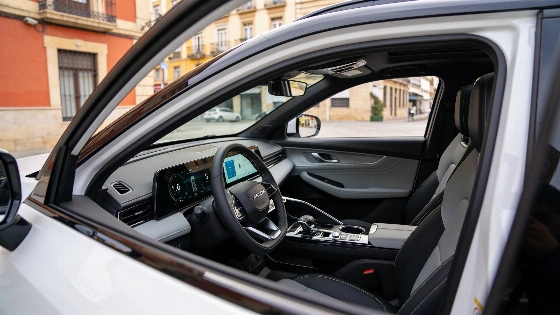
The biggest change is the dashboard. Gone are the glossy plastics and awkward controls. In their place is a more solid, driver-focused layout. The old dual 12.3-inch screens have been replaced by a single 15.6-inch central touchscreen, while the instrument cluster remains at 8.8 inches. The new setup puts the main controls and information where drivers actually use them. Omoda has also updated the software, redesigned the center console with larger air vents, and added a new steering wheel with separate physical buttons. The unpopular black plastic is out, replaced by better-feeling materials that finally bring the Omoda 5 EV closer to what European buyers expect.
The updated Omoda E5/5 EV with the new 15.6-inch screen, seat massage, and active grille shutter was publicly unveiled at Everything Electric Sydney, confirming these changes are not rumors but already shown by the manufacturer.
Autotrader NZ
The seats have also been improved. The driver now gets four-way electric lumbar adjustment, ventilation, and a massage function. The passenger seat adds two more directions of electric adjustment and ventilation, fixing the old problem of no height adjustment. Other standard features include an auto-dimming rearview mirror, eight-speaker audio, and wireless CarPlay and Android Auto. Altogether, the package feels much more competitive than before.
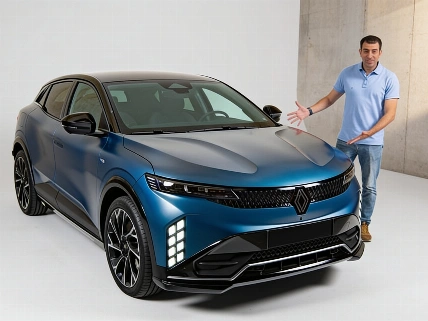
On the outside, the Omoda 5 EV gets a new "Robo Shark" front end, sharper headlights with a slim LED strip, and a rear light bar that runs the full width of the car. The bumpers are new, the 18-inch wheels have a fresh design, and the car is now 4.54 meters long—noticeably longer than the current Spanish version. Two practical upgrades stand out: an active grille that closes to improve aerodynamics when cooling isn’t needed, and an electric charging port cover. These changes are aimed at improving efficiency and everyday use, not just looks.
Mechanically, little has changed. The Omoda 5 EV keeps its 155 kW (211 hp) motor and 288 Nm of torque, with an LFP battery and a WLTP range of 430 km. Australia recently switched to a 58.9 kWh battery without losing range, but Spain still gets the 61 kWh version. If the smaller pack comes to Europe, it would mean Omoda has improved efficiency, likely thanks to the new active grille and better thermal management. Charging speeds are a bit confusing: international specs say 80 kW DC charging, but the Spanish model currently supports 130 kW, allowing a 30–80% charge in 28 minutes. Omoda upgraded this after launch, and there’s no sign the Spanish version will go back to the slower rate. For buyers who travel long distances, this is an important detail.
According to independent reviews, the current Omoda E5 is already competitive in terms of equipment, but has been criticized for its interior and ergonomics—explaining why the latest update focuses on cabin quality, screens, and materials. European specifications list a WLTP range of 267 miles and a 61 kWh LFP battery, with the new model's increased length for Europe not yet independently confirmed.
Electrifying
Price is still a sticking point. The headline figure of €23,000 is only possible if buyers combine every available discount—brand and dealer incentives, scrappage, financing with Open Bank, energy certificate bonuses, and the Auto+ subsidy advance. Without these, the real financed price is closer to €26,200, and the actual sticker price is higher. The Omoda 5 EV is competitive, but the €23,000 price is out of reach for most buyers. This matters, since the car’s "Cero" emissions label and aggressive pricing are what made it a bestseller among electric cars in Spain.
So why is 2027 the likely arrival date for this updated model in Spain? Omoda hasn’t confirmed a European launch, but all signs point to a debut timed with the start of local production at Chery’s new Barcelona plant—formerly Nissan’s Zona Franca facility—between late 2026 and early 2027. Launching the refreshed Omoda 5 EV alongside local assembly would let the brand use a "Made in Spain" badge and avoid EU tariffs on Chinese EVs. The timing also matches the launch of the smaller Omoda 4, which will push the Omoda 5 EV upmarket and make its improved interior a necessity.
Asian brands are already changing the Spanish market, as shown by the recent shift away from traditional domestic names. Omoda’s approach is clear: keep the technical package stable, fix the main weaknesses, and use local production to compete on price and tariffs.
This restyling isn’t a revolution, but it’s a smart adjustment. By finally fixing the interior and keeping charging speeds and equipment strong, the Omoda 5 EV becomes a real contender for Spanish buyers—if the brand avoids quietly downgrading specs or raising prices once local production starts. Now it’s up to Omoda’s European rivals to respond, since interior quality is no longer a guaranteed advantage.