Seat’s closure marks a blow to Spanish industry but buyers are choosing Asian brands and cheaper hybrid models. Economic pressure and shifting technology are changing what sits in Spanish garages.
Seat’s exit isn’t just a business move—it breaks with decades of Spanish automotive tradition. But when it comes time to buy, nostalgia takes a back seat. Spanish drivers are leaving their national brand behind and choosing Asian cars that offer more for less.
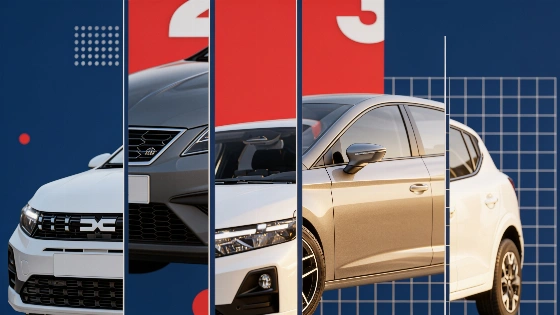
The numbers in 2026 make it clear. The Dacia Sandero, built in Romania, now outsells any Seat ever managed, with more than 38,000 units sold last year. Toyota leads the market, and Hyundai and Kia keep gaining ground. Chinese brands like MG and Ebro are no longer rare sights. The badge on most new cars in Spain is now Asian, not Spanish.
So what happened to the loyalty that once made Seat’s León and Ibiza household names? The answer is parked in driveways across Spain. New car prices have jumped, with the average now well above €20,000. For most Spanish families, whose average net salary barely tops €1,600 a month, a new car is a luxury. Financing is now standard: Asnef estimates up to 80% of cars are bought on credit, with loan rates around 7%.
Patriotism fades when the monthly bill arrives. Ten years ago, three-quarters of buyers wouldn’t spend more than €20,000 on a car. Today, half of new cars still cost less than that, but only because buyers are searching for the cheapest options—usually Asian, often hybrid, and rarely Spanish.
Price isn’t the only factor. Electrification is changing the market. Hybrid models, especially from Toyota, now make up half of all new car sales in Spain. Diesel, once the backbone of Seat and other European brands, has dropped to just 3% of the market, according to Faconauto. Asian manufacturers have taken the lead, offering affordable electrified cars while European brands struggle to keep up.
Meanwhile, Spain’s car fleet is getting older. The average car on Spanish roads is now over 14 years old—well above the EU average of 12.7 years, and far behind Germany’s 10.6. Safety and emissions standards lag, but upgrading is too expensive for many families. The pandemic made things worse: new car registrations are still below pre-2020 levels, and the market hasn’t recovered the 100,000 annual sales lost since 2018.
Seat’s decline isn’t unique. The whole European car industry faces rising costs, stricter emissions rules, and tough competition from Asia. Even new models like the Arona, meant to revive Seat’s fortunes, couldn’t change the trend. As recent launches from Kia and others show, the momentum is with the newcomers.
According to Google/SpainAuto, the Spanish market is now all about practicality. Buyers want value, reliability, and low running costs. The emotional pull of a national brand can’t compete with tight household budgets and the appeal of new technology. Seat’s closure is symbolic, but the real story is in the choices made at dealerships every day. The Spanish garage looks different now—and so does the idea of loyalty in a market where survival means adapting, not looking back.