A third of Catalan children cannot afford a week of vacation. Most are also excluded from summer educational activities. Social organizations warn this deepens emotional and social vulnerability.
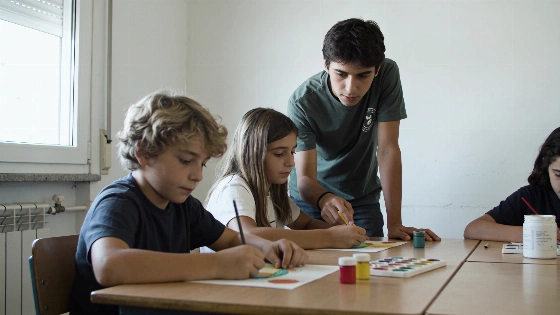
Access to leisure and educational activities is becoming a privilege for many children and young people in Catalonia, as new data highlights a growing divide linked to family income. According to recent figures from Equitat.org, one in three children or adolescents in the region live in households unable to afford even a single week of vacation per year. At the same time, six out of ten do not participate in summer educational leisure programs, underscoring the impact of economic hardship on childhood experiences.
This trend is not isolated. The decline of community spaces and the weakening of local social networks have been observed by social organizations and documented in the report “Desconexión y futuro: una juventud atrapada” by Ayuda en Acción. The loss of accessible environments for socialization, learning, and recreation is seen as a factor that can undermine both social ties and emotional stability among young people.
Experts point out that relying solely on family finances to access leisure activities increases the risk of exclusion for children from low-income backgrounds. Without affordable options, many miss out on positive role models and supportive environments that foster healthy development. While economic hardship is not the only factor behind the rise in emotional and mental health issues among youth, it is increasingly recognized as a significant contributor.
Social organizations stress the importance of free or low-cost community initiatives, such as local youth centers and summer camps, in counteracting these trends. These spaces offer not only recreation but also opportunities for learning values, building relationships, and finding guidance from trusted adults or older peers. The absence of such opportunities can deepen social vulnerability, going far beyond the simple lack of entertainment.
Ensuring universal access to quality leisure and educational activities is seen as essential for supporting families at risk of exclusion. This means not only providing minimum income support but also removing financial barriers to participation in services that are vital for all children and adolescents. The presence of positive adult role models in these settings is considered crucial, especially during challenging periods in young people's lives.
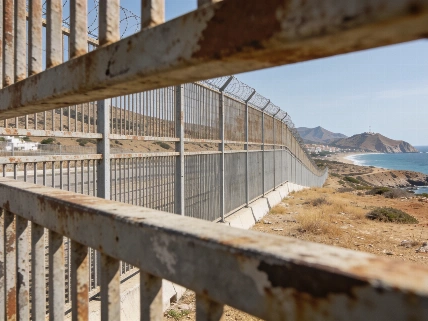
The issue of unequal access to leisure is part of a broader pattern of social vulnerability affecting children and youth across Spain. For example, the challenges faced by unaccompanied migrant minors in Ceuta, as discussed in recent coverage of regional debates on child welfare, highlight how gaps in support and resources can have lasting consequences for young people.
In Spain, the right to leisure and participation is recognized as fundamental for child development. However, the reality for many families is shaped by economic constraints and the erosion of community infrastructure. Addressing these disparities requires coordinated action from both public authorities and civil society to ensure that all children, regardless of background, have the chance to benefit from enriching experiences outside the classroom.