Óscar López is urging Pedro Sánchez to synchronize Spain’s general, regional, and municipal elections in Madrid on a single day. The plan aims to boost left-wing turnout but faces resistance from key PSOE figures worried about backlash against Sánchez.
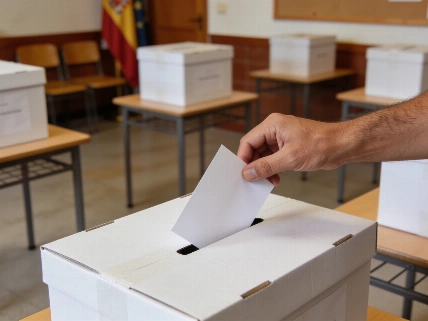
Óscar López wants a bold move. He is pressing Pedro Sánchez to put Spain’s general, regional, and municipal elections all on the same day—May 23. This “superdomingo” would be a high-stakes bet. López hopes Sánchez’s national profile will fire up left-wing voters in Madrid. The PSOE has not run the region for decades.
But the idea has split the party. Some regional leaders, like Emiliano García Page, have come out against it. They fear a backlash against Sánchez could sweep them out too. The risk is real. If voters punish Sánchez in the general election, local PSOE candidates could lose their seats as well. Independent Spanish media report that the "superdomingo" is under discussion inside PSOE-M. They call it a high-risk plan because of the possible "drag effect" on Madrid candidates. No official decision has been made.
Official sources indicate that Pedro Sánchez has already ruled out synchronizing the general election with the regional and municipal votes on May 23, reaffirming the party's focus on 2027 as the key electoral year.
López’s push is all about numbers. Madrid’s left-wing voters often stay home, especially with the PP in control. López thinks a single election day could change that. He points to 2023. Sánchez brought out almost 400,000 more voters than Juan Lobato in just two months. That surge blocked Alberto Núñez Feijóo from La Moncloa. Democrata reports that superdomingo supporters believe Sánchez’s national pull could finally break the PP’s grip in Madrid.
Still, the party’s main office and much of the government have been getting ready for an earlier general election. Some expect it as soon as February 14. Then the Ceuta crisis hit. That changed everything. López saw a new chance to push for a May superdomingo. Arab News and Al Jazeera have both reported that mass protests in Madrid over the Ceuta migrant crisis have put more pressure on the government. There are now calls for early elections before mid-November.
Not everyone in the PSOE buys López’s plan. Some critics say he avoids the tough fights in Madrid. Even so, they admit that merging the elections could help the party take on Isabel Díaz Ayuso. The hope is that Sánchez’s candidacy would lift local and regional candidates. But polls show no clear path for a PSOE-A and Más Madrid coalition to take power.
Recent reports from EFE and La Razón confirm that Sánchez and López are publicly focused on preparing the PSOE campaign for the 2027 Madrid elections, rather than implementing a secret plan for an earlier or merged vote. The party is already building its strategy around the 2027 date, even as internal debate continues over the risks and benefits of synchronizing elections.
Rafael Simancas, secretary of state for relations with the Cortes, has spoken out for the superdomingo. He says it would rally not just left-wing voters but the whole party machine. The stakes in Madrid are huge. The PSOE has been out of power in the capital for 38 years. It has not run the regional government for 32.
The fight over election timing is happening as Madrid politics heat up. Mass protests and calls for early elections have already exposed deep splits among Spain’s main parties, as reported earlier. Democrata and ARA both say the real story is not whether a "super Sunday" is set, but the fierce debate inside the PSOE. The party is still weighing if it makes sense to tie Madrid’s fate to Sánchez, especially with the Ceuta crisis and growing opposition pressure.
The PSOE leadership now faces a tough choice. They can risk a synchronized election that might finally break the PP’s hold on Madrid. Or they can play it safe and keep the votes separate. The answer will show if the party is ready to gamble on Sánchez’s ability to rally the left. Or if caution will win out. One thing is clear. This decision will shape the future of Spanish politics.