Leaving your wheels turned while parked may be quietly destroying your car’s steering and suspension. Mechanic Jesús explains why this overlooked habit leads to costly repairs and shares practical tips to extend your vehicle’s life.
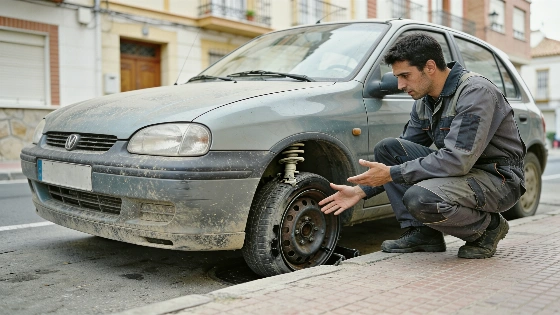
If you usually park with your wheels turned, you might be setting yourself up for expensive repairs without realizing it. Mechanic Jesús, known for his straightforward advice among Spanish drivers, warns that this habit puts extra strain on your car’s steering parts—damage that often goes unnoticed until it becomes a real problem.
Jesús explains that when a car sits parked with the steering locked at full angle, the rubber joints, bushings, and linkages inside the system stay twisted for hours. This constant tension makes the rubber crack and wear out faster, letting in dirt and moisture that only speed up the damage. What starts as a small oversight can turn into major steering trouble and a big repair bill. Reports summarized by my.ua point out that turned wheels put a steady, one-sided load on the steering and front suspension, especially on ball joints, bushings, and rubber boots. These rubber parts, held in a twisted position for long stretches, are more likely to crack and lose their flexibility, which makes them age even faster.
my.ua
Jesús also points out another common mistake: not pressing the clutch when starting or stopping the engine. Even if the car is in neutral, the transmission and dual-mass flywheel take on extra stress if the clutch isn’t engaged. This won’t make your clutch last forever, he says, but it can help you avoid an early trip to the mechanic. Technical sources back this up, noting that most clutch wear happens during slippage, not when the pedal is fully pressed or released.
Another habit that causes trouble is rushing the ignition. Jesús recommends waiting a few seconds after turning the key to the accessory position, letting the dashboard warning lights go out. This short pause gives the car’s systems time to run safety checks before the engine starts. Skipping this step can hide early warning signs and hurt long-term reliability.
Once the engine is running, it pays to be patient. Giving the oil pump thirty seconds to circulate oil before driving off helps prevent metal parts from scraping against each other, especially on cold starts. Jesús puts it simply: “Treat your car as if it might break at any moment.” For the first eight to ten minutes, he suggests keeping acceleration gentle and revs low until the engine warms up. This approach cuts down on internal wear when the engine is most vulnerable.
my.ua
These tips fit a bigger pattern in car care: small, overlooked habits can have big consequences. As reported earlier, even advanced cars can fall short if drivers ignore best practices.
For Spanish drivers, the takeaway is simple: the difference between a reliable car and a money pit often comes down to the details. Elespanol motor notes that most driving schools focus on passing the test, not on habits that keep a car running well for years. Jesús’s advice is clear—leave your wheels straight when parking, use the clutch at the right moments, and give your engine time to wake up. These aren’t just tips for enthusiasts; they’re practical steps that can save thousands of euros and a lot of hassle. With repair costs rising, skipping these simple routines is a risk few can afford.