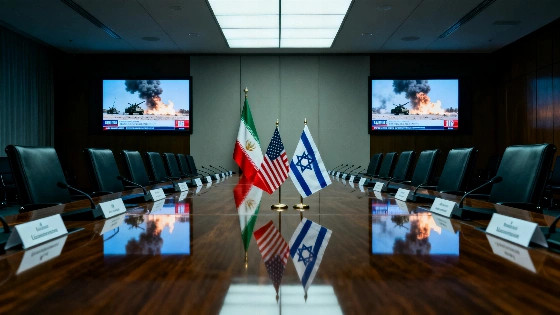
Planned negotiations between Iran and the US in Lucerne were called off after Israeli military operations in Lebanon. Both delegations withdrew, raising new doubts about the future of the peace process.
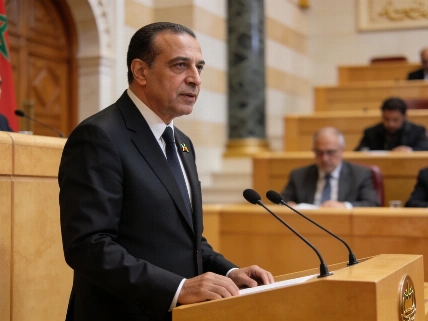
Efforts to advance the peace process between Iran and the United States have been abruptly interrupted after both sides cancelled a crucial meeting in Switzerland. The Iranian delegation, scheduled to travel to Lucerne for technical negotiations on the recently signed memorandum of understanding, withdrew late Thursday. Within hours, the US team, led by Vice President J.D. Vance, also called off its participation. The cancellations followed a series of Israeli airstrikes on southern Lebanon, which left at least 18 people dead, according to local media.
The escalation began when Israel launched a wave of attacks in response to a Hezbollah drone strike targeting Israeli troops inside Lebanon. The Israeli military reported the loss of at least four soldiers, while pro-Hezbollah sources described direct clashes between militants and Israeli forces. By Friday morning, hostilities continued, with the Israeli army citing over 100 missiles and drones launched in the ongoing operation.
The renewed violence has directly impacted the fragile diplomatic process. The first article of the Iran-US memorandum specifically calls for an end to all military operations, including those in Lebanon. Tehran reportedly informed Washington and mediators that the situation in Lebanon is a fundamental issue for the continuation of talks, and described Israel's actions as a clear violation of the agreement. The White House, which has been the main driver behind the negotiations, did not initially comment on Iran's reasons for cancelling but acknowledged the complexity and unpredictability of such diplomatic efforts. No new date for the meeting has been set.
Under the original plan, Iran and the US were to negotiate technical details of the 14-point memorandum over the next 60 days, with the possibility of extending the timeline if needed. However, Israel has openly opposed the agreement. Prime Minister Benjamín Netanyahu, who has not participated in the talks, stated that Israel does not feel bound by the deal and will continue its military campaign in Lebanon as long as necessary.
The diplomatic rift has also exposed tensions between the US administration and Israeli officials. Vice President J.D. Vance publicly criticized Israeli government figures who oppose the Iran deal, warning against alienating Donald Trump, described as Israel's last major ally. Recent polling by Pew Research Center indicates that a majority of Americans, including Jewish respondents, have little confidence in Netanyahu, reflecting a shift in US public opinion since 2022.
Meanwhile, Israel has intensified its lobbying efforts in the US, particularly targeting Republican and Christian audiences. According to Haaretz, the Israeli government has allocated over $40 million for an influence campaign and signed a new contract with a New York-based production company to promote pro-Israel narratives on social media. This marks a significant change in approach, as even AIPAC, the largest pro-Israel lobby in the US, has issued statements supporting the Trump-brokered agreement, despite previously opposing similar deals.
For context, the region has seen repeated cycles of violence involving Israel, Lebanon, and Iran-backed groups such as Hezbollah. Diplomatic efforts have often been derailed by military escalations, and the current situation underscores the fragility of any progress. The outcome of these negotiations could have broader implications for regional stability and international relations, especially given the shifting dynamics in US-Israel ties and the evolving stance of American public opinion.