Joe Biden struggled to finish several answers during his televised debate with Donald Trump on 27 June 2024. About 51.27 million people watched, according to Nielsen. Biden withdrew from the presidential race on 21 July, leaving Kamala Harris to take his place.
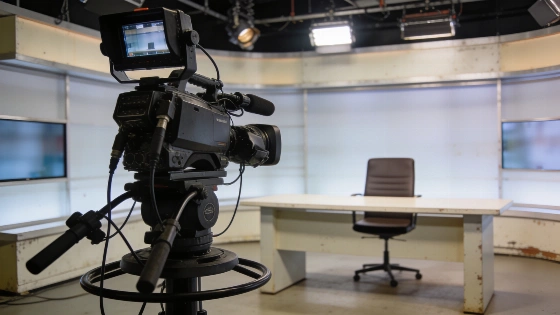
The figures do not establish that the debate alone caused his exit. They do show how quickly a televised performance can put a candidate’s capacity under scrutiny. In Spain, Pedro Sánchez and Alberto Núñez Feijóo faced off on 10 July 2023 in a debate broadcast by Antena 3 and laSexta. It drew 5,911,000 viewers on average and a 46.5% audience share. According to Barlovento Comunicación’s analysis of Kantar data, 11,357,000 people watched at least part of it.
That audience was markedly smaller than the record set in 2008. The debate between José Luis Rodríguez Zapatero and Mariano Rajoy on 25 February averaged 13,043,000 viewers, a 59.1% share. It reached 22.5 million unique viewers and was broadcast simultaneously on 20 television channels. A second encounter on 3 March averaged 11,952,000 viewers and a 56.3% share. Spain’s televised debate record covers 13 contests between the 1993 González and Aznar debates and July 2023. Barlovento’s historical ranking puts the first 2008 encounter at the top.
Viewing figures have shifted alongside the way campaigns are watched and discussed. Joan Navarro, an expert in electoral campaigns, described the stream of online reaction during and after a debate as the “post-debate” in remarks on La Hora de la 1. He said it had become as important as the televised exchange itself. The electoral landscape also features in a separate report on youth voting, though audience figures measure television reach rather than voting intentions.
The risks of the format were apparent from its earliest defining encounter. In 1960, Richard Nixon arrived tired and declined make-up, while John F. Kennedy appeared rested and tanned. About 70 million people watched the first nationally televised U.S. presidential debate, held in Chicago on 26 September. Television viewers generally favored Kennedy, while radio listeners were more likely to judge Nixon the stronger performer.
Spain’s first televised election face-off came on 24 May 1993, when Felipe González met José María Aznar. A second debate followed seven days later. The first averaged 9,625,000 viewers and a 61.8% share; the next averaged 10,526,000, with a 75.3% share. Both remain among the country’s most-watched non-sport broadcasts, according to Barlovento Comunicación.
In 2015, the contest widened beyond the traditional PP-PSOE pairing. Pedro Sánchez and Pablo Iglesias debated alongside Albert Rivera and Soraya Sáenz de Santamaría, who represented Mariano Rajoy. The event averaged 9,233,000 viewers. A week later, Sánchez and Rajoy held a two-way debate that averaged 9,728,000.
For Navarro, avoiding a damaging moment is central: a poor answer can be replayed repeatedly online. By 30 June 2024, the 450 most-viewed TikTok videos from the Trump-Biden debate had accumulated more than 483 million views, according to CredoIQ. Of those posts, 39% were critical of Biden and 9.5% of Trump.