Pedro Sánchez confirms his intention to serve the full term and hints at running in 2027. He argues there is no credible alternative from the opposition. The debate over early elections continues within the PSOE.
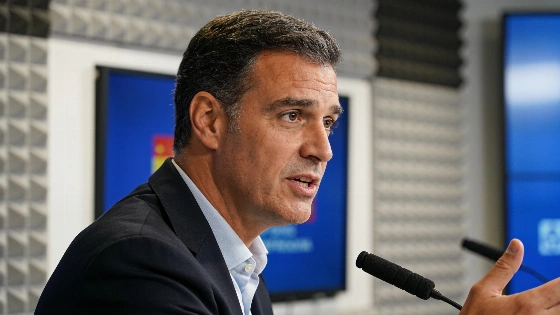
Pedro Sánchez has made it clear he intends to see out the current legislative term and is open to leading the PSOE into the 2027 general elections. In a recent interview on Cadena SER, the Prime Minister dismissed calls for an early vote, emphasizing that left-wing governments, like their right-wing counterparts, are entitled to four-year terms. Sánchez underlined that the next national budget will be debated and presented in 2026, reinforcing his commitment to the established electoral calendar.
Addressing speculation about his political future, Sánchez stated he is prepared to run again if the party supports his candidacy, expressing the same determination he had in 2019. He argued that progressive policies remain essential for Spain, especially to counter what he described as a growing reactionary wave. According to Sánchez, the effectiveness of current government measures justifies their continuation and makes a change in direction unnecessary at this stage.
The Prime Minister also responded to internal and external pressures for a change in leadership. While acknowledging that some within the PSOE believe a new face is needed after eight years in power, Sánchez insisted these voices are in the minority. He pointed out that the party performed better in the last general election than in municipal and regional contests, challenging the argument for early elections. Notably, Emiliano García-Page, president of Castilla-La Mancha, has been among those urging more self-criticism from the party leadership, highlighting the need for accountability at all levels.
Sánchez was critical of the opposition, particularly the Partido Popular, accusing them of destructive tactics and relying on misinformation. He argued that the presence of Vox in the political equation has pushed the PP further to the right, making genuine alternation of power unlikely. Instead, Sánchez warned that what is being offered is not a true alternative but a potential rollback of social progress, a trend he vowed to resist.
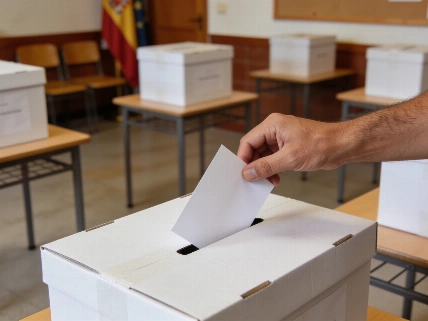
Questions about the exact timing of the next election remain. Sánchez avoided specifying a date, noting that technical adjustments could always occur, but reiterated his intention to complete the full term. The ongoing debate over the future of Spain's leadership echoes broader tensions in Spanish politics, as seen in recent confrontations between government and opposition. For example, the Partido Popular has intensified its criticism of Sánchez's administration, particularly during crises such as the situation in Ceuta, as reported in recent coverage of PP's calls for political change.
Spain's political landscape remains polarized, with the government defending its record and the opposition pushing for a shift. The next two years will be crucial as parties position themselves for the 2027 elections. The outcome will depend not only on leadership decisions within the PSOE but also on whether the opposition can present a credible and unified alternative. The debate over alternation, accountability, and the direction of policy is set to shape the national agenda as the country approaches another electoral cycle.