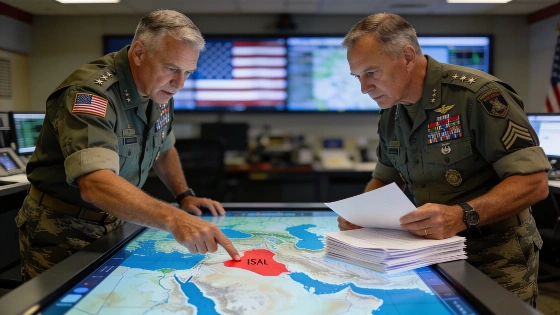
The US campaign in Iran has already cost $38 billion. The Pentagon faces criticism, a possible impeachment of the Secretary of War, and dwindling military resources.
The US military campaign in Iran has reached a critical financial point, with costs now at $38 billion. This figure, confirmed by a Congressional Budget Office report, highlights the scale of the operation and the growing strain on Washington’s military resources and political leadership.
Secretary of War Pete Hegseth is at the center of the controversy, facing criticism from both the White House and Congress. The report warns that monthly expenses could rise by another $2–3 billion if the conflict continues, fueling calls for accountability. Hegseth, already criticized by Donald Trump for using up Patriot missile reserves needed by Ukraine, now faces a formal impeachment petition from Republican Thomas Massie. The charges: waging war in Iran without a formal declaration, legal authorization, or imminent threat, and bypassing Congress.
According to the Congressional Budget Office, the cost of replenishing expended munitions alone is estimated at $21.7 billion, with $13.1 billion needed just for air and missile defense interceptors.
— Congressional Budget Office
The Pentagon’s logistical problems are growing. The same report says the US has used up about two-thirds of its interceptor missiles, and restocking both interceptor and ballistic missiles will require another $21.7 billion. The campaign, launched with Israel in February, has forced the US to use its most advanced weapons for both offensive strikes and defensive operations—hitting Iranian territory, islands in the Strait of Hormuz, and Iranian naval vessels.
These operations have drained ammunition, caused equipment losses, increased fuel use, and stretched flight hours. The Congressional Budget Office notes that each month of conflict adds to the Pentagon’s financial and operational burden. Despite the investment, the US has not achieved a decisive victory, and the conflict shows no sign of ending soon.
Independent media, citing CBO data, report that the US has depleted about two-thirds of its available interceptor missiles, and restoring these reserves could take years. This shortage has raised concerns about the military's ability to respond to other global threats.
— Military Times
Vice President J. D. Vance has warned that the war will soon enter a new phase, suggesting the campaign could drag on for months. Donald Trump’s early hope for a quick resolution before the midterm elections has faded. The administration is now considering a strategy of containment, aiming to keep pressure on Iran through a prolonged siege rather than a fast victory.
For the Pentagon, the immediate problem is not just the rising costs but the risk of running out of key military supplies. Missile reserves, especially Patriots, are at critical lows, raising concerns about the US military’s ability to respond to other threats. The political fallout is just as serious, with Hegseth’s position now under threat from within his own party.
The situation shows how quickly financial, logistical, and political pressures can pile up in modern military campaigns. The US now faces a choice: keep spending billions on a conflict with no clear end, or rethink its strategy before resources and political capital run out. The Congressional Budget Office’s findings make one thing clear: the cost of war is measured not just on the battlefield, but in Washington’s halls of power and on the Pentagon’s balance sheet.