Police dismantled a drug-selling apartment in Tetuán after repeated complaints. Two men were arrested. The operation followed reports of constant street activity and public drug use.
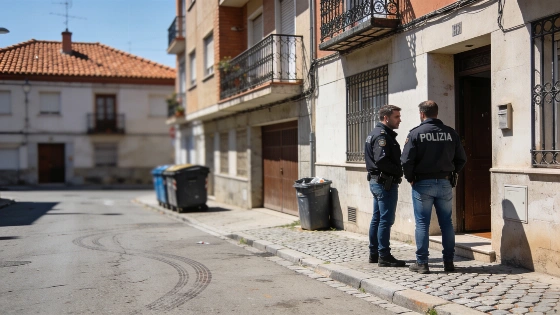
Madrid's Tetuán district saw a major police intervention this week as officers from the Policía Nacional dismantled an illegally occupied apartment used for drug distribution. The operation, which resulted in the arrest of two men, was triggered by a surge of complaints from local residents about persistent disturbances and open drug consumption on the surrounding streets.
According to police sources, the apartment had become a focal point for illicit activity, with drugs reportedly being sold directly through the window to buyers waiting outside. This unusual method drew attention from neighbors, who described a steady flow of people at all hours and raised concerns about safety and public order in the area.
The police response was part of a broader crackdown on street-level drug trafficking in Madrid, reflecting ongoing efforts to address the impact of so-called 'narcopisos'—flats taken over for the purpose of selling narcotics. Authorities moved in after gathering evidence of the apartment's role as a distribution hub, acting on multiple reports of suspicious behavior and visible drug use in public spaces nearby.
Residents in Tetuán have long voiced frustration over the presence of such properties, which are often linked to increased crime and a decline in neighborhood quality of life. The swift action by law enforcement follows similar operations in other Spanish cities, where authorities have targeted both the sale and laundering of drug money. For example, recent investigations in Cádiz have revealed how criminal networks use local nightlife businesses to conceal illicit funds, as detailed in a report on money laundering in the hospitality sector.
Spain's approach to combating urban drug trafficking has evolved in recent years, with police focusing on both the supply chain and the social consequences for affected communities. The closure of the Tetuán apartment is seen as a response to growing public demand for safer neighborhoods and more visible enforcement. While the immediate disruption of this drug point may bring relief to local residents, authorities acknowledge that ongoing vigilance and community cooperation remain essential to prevent similar situations from re-emerging elsewhere in the city.
In the broader context, Madrid continues to face challenges related to illegal drug distribution, particularly in densely populated districts where vacant or occupied properties can be exploited by criminal groups. The success of recent police actions may encourage further collaboration between law enforcement and residents, aiming to restore confidence and improve quality of life in vulnerable urban areas.