Sílvia Catà has been appointed as the first female chief of Mossos d’Esquadra. Her selection follows the abrupt resignation of Josep Lluís Trapero. The move signals a shift in Catalonia’s police leadership.
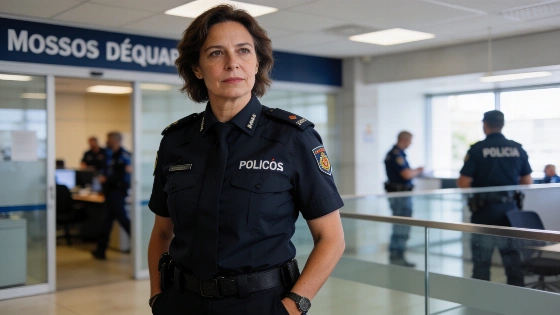
The Mossos d’Esquadra have a new chief after Josep Lluís Trapero resigned in protest over Sílvia Catà’s appointment. Catà now steps in as the first woman to lead Catalonia’s police force, taking the role at a tense moment for the institution.
Her selection caught many by surprise. Most speculation had focused on other candidates, especially Montse Estruch from Barcelona, but Interior Minister Núria Parlon made the decision weeks before the summer break. Catà, 53, had been running the Girona region, where she emphasized community-based policing. Her appointment breaks with the expected succession plan. The Generalitat and Interior Ministry announced Catà’s new role alongside Ferran López, who becomes the new police director, signaling a coordinated change at the top of Mossos d’Esquadra.
Catà is originally from Arenys de Munt and has served in Mossos d’Esquadra since 1998, making her one of the most experienced veterans in the force.
Catà joined the Mossos in 1998, starting in Internal Affairs and later working in several support roles, including with the late David Piqué. She led the Mollet del Vallès station in 2018 and 2019, then moved to Barcelona as intendenta, coordinating public safety. In 2022, she became second-in-command in Barcelona under Estruch, before taking over as Girona’s regional chief in 2023. Spanish media have pointed to her broad management experience in both Barcelona and Girona as key to her selection.
Her appointment has stirred debate within the force. Some officers have questioned the decision, noting Catà’s personal relationship with Joan Miquel Capell, a former Mossos commissioner now overseeing security for the Diputación de Girona. Official statements, however, focus on her professional record and the need for new leadership. Reports from El Independiente and La Vanguardia note that the Interior Ministry had long wanted a woman in the top operational post, describing Catà’s selection as both a symbolic and institutional milestone.
With only seven female commissioners currently active, putting a woman in charge was a deliberate move by the Interior Ministry. The situation echoes other recent leadership changes in Spain, such as the withdrawal of Sara Oviedo from the PSOE mayoral race in Leganés, which also exposed internal divisions and forced a quick change in direction.
Catà replaces Miquel Esquius, who is retiring, while Ferran López takes over as director general of the police following Trapero’s resignation. President Salvador Illa has already met with both López and Catà, confirming the completion of the leadership transition at the highest level.
Official statements from the Generalitat and Interior Ministry
Catà faces immediate challenges. The Mossos are dealing with ongoing issues in public security, internal cohesion, and shifting expectations from both the government and the public. Her background in proximity policing suggests she may push for more community-focused strategies, but the circumstances of her appointment—marked by high-level dissent and surprise—mean she will need to establish her authority quickly to steady the force.
Catà’s appointment is historic, but it also highlights the fragility of succession planning and the resistance to change within Catalonia’s police. The government’s insistence on a female leader, despite internal pushback, shows a willingness to disrupt established hierarchies. The real test will be whether Catà can turn her regional experience into effective leadership at the top, overcoming skepticism and delivering a more responsive police force. The next few months will show whether this approach brings stability or deepens existing divisions within the Mossos d’Esquadra.