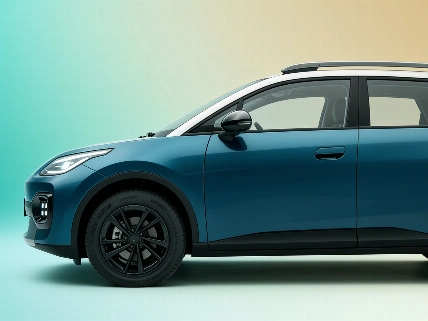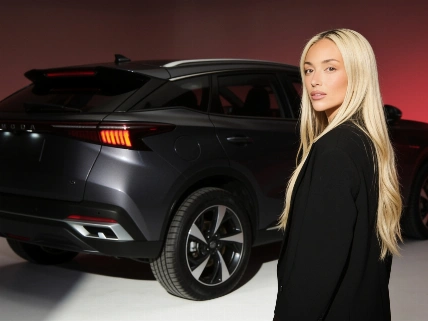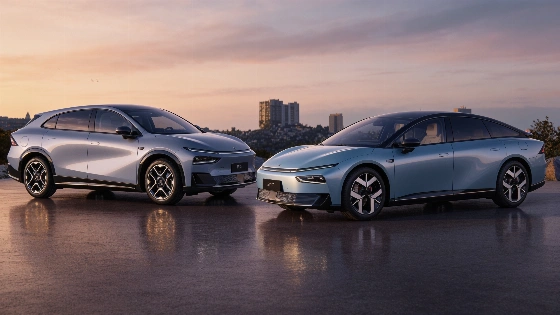
Chinese electric car makers are moving fast in Europe, and Spain is now at the heart of this shift. Industry consultant Tu Le explains how Spain became the key battleground for the future of the car industry.
Chinese electric vehicles are no longer a distant concern for European carmakers. They are already changing the market, and Spain has become the main stage for this shift. Tu Le, a consultant with experience in both Detroit and Beijing, says Spain is quickly turning into the "new Detroit of the EU"—a sign of both opportunity and disruption for Europe’s auto industry.
Le’s view comes from years in the business. He grew up in Detroit in a family that loved cars, worked at General Motors and Apple, and then moved to China in 2009. Over more than a decade in Beijing and Shanghai, he saw how China’s early investment in electric vehicles, strong government support, and the arrival of Tesla in 2019 changed the global balance of power.
In July 2026, fully electric vehicles accounted for 9.6% of new car registrations in Spain, with BYD leading among brands.
Now, Chinese brands like BYD, Geely, XPeng, Xiaomi, Leapmotor, Chery, and SAIC are not just shipping cars to Europe. They are teaming up with companies like Volkswagen, Stellantis, Ford, and Renault. Their strengths are speed, digital know-how, and battery technology—especially LFP batteries, which Le expects to dominate for years. These partnerships are also bringing new life to old factories, such as the Chery–Ebro/EV Motors project at the former Nissan plant in Barcelona. It’s part of a wider trend of industrial alliances and reusing assets across Europe.
Spain’s role is no accident. Le points out that the country is open to Chinese vehicles and is well placed as a manufacturing base. For traditional European carmakers, the message is clear: they need to build in Europe and offer cars that can match Chinese brands on value, quality, reliability, and appeal. Several major projects now center on Spain, including the Leapmotor–Stellantis partnership and the €4.1 billion CATL–Stellantis battery plant in Zaragoza, which aims for up to 50 GWh capacity and is set to start production by the end of 2026, according to industry sources.
The challenge isn’t just about technology. Chinese carmakers are strong in software and digital features, but still have to adapt to European tastes and expectations. Le says Chinese brands are learning quickly, using their flexibility to adjust for local markets. Leapmotor, for example, plans to start assembling cars in Spain by late 2026 or early 2027, beginning with the B10 model. This is a direct answer to EU trade rules, which have imposed anti-dumping and anti-subsidy measures on Chinese electric vehicles since 2024, making local production more important for access to the market.
The most significant new industrial project is the CATL and Stellantis LFP battery plant in Zaragoza, with €4.1 billion in investments and a planned capacity of up to 50 GWh. This marks Spain's transition from a sales market to a key part of the European EV supply chain.
Production methods are changing too. China’s control of the supply chain and innovations like Gigacasting have made manufacturing faster and more efficient, putting pressure on slower rivals. As the Chinese market cools, BYD is aiming to overtake Toyota in global production by 2030, though Le notes this will be tough without access to the US. Exports are expected to level off at around 10 million units by 2026, with gradual entry into the US market possible in the future. BYD representatives have said that Spain and France are among the top choices for the company’s planned three assembly plants and one battery factory in Europe, showing Spain’s growing importance.
In the US, political resistance to Chinese electric cars is still strong, but interest—especially among younger buyers—is rising. Brands like BYD are already known, even if official imports are not allowed yet.
For Spain, a lot is at stake. Welcoming Chinese electric vehicles could reshape its industrial future, but it also raises questions about what will happen to established European brands. As reported earlier, the arrival of affordable Chinese cars is already putting pressure on the traditional idea of quality and durability in Europe.
According to Google/SpainAuto, the next few years will show whether Spain can use its new position to become a real force in the electric era, or if it will just be a battleground for foreign companies. So far, Chinese manufacturers are not just passing through—they are here to compete, adapt, and, if Tu Le is right, set the pace for the whole European industry. For Spanish workers, policymakers, and consumers, the next chapter of the car industry is being written now, and the outcome is still uncertain.